Disclosure: The links provided in this evaluation represent intentional affiliate partnerships. We earn a commission when you register, sign up, or apply through these links at absolutely no additional cost to you. All product recommendations are made objectively based on public user track records.
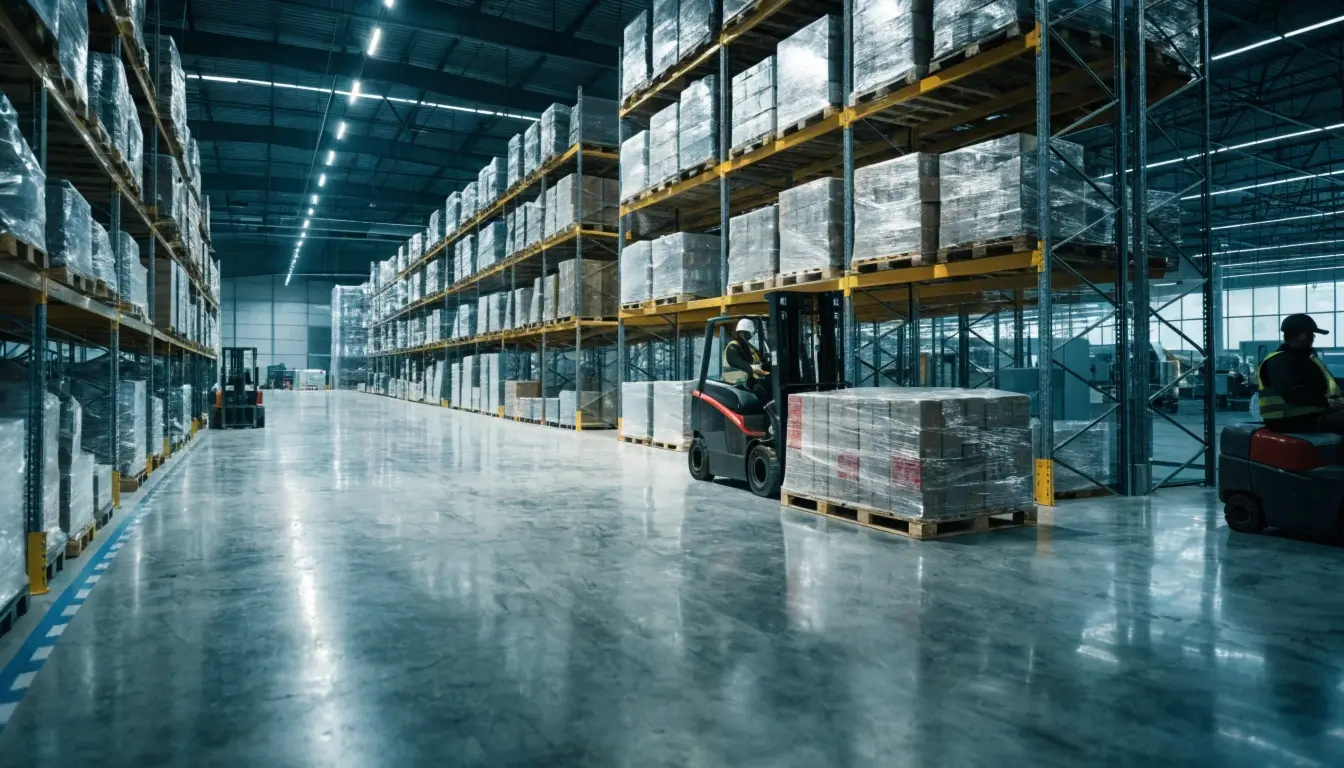
As supply chain operations face rapid adjustments due to e-commerce expansions and manufacturing localization, finding stable industrial work has become a major focus for workers across the country. Choosing between warehouse jobs vs factory jobs is one of the most critical decisions an entry-level worker can make. Deciding which industrial environment matches your physical stamina, technical aptitude, and long-term income goals requires looking deeply at daily tasks, hourly pay scales, and workspace configurations.
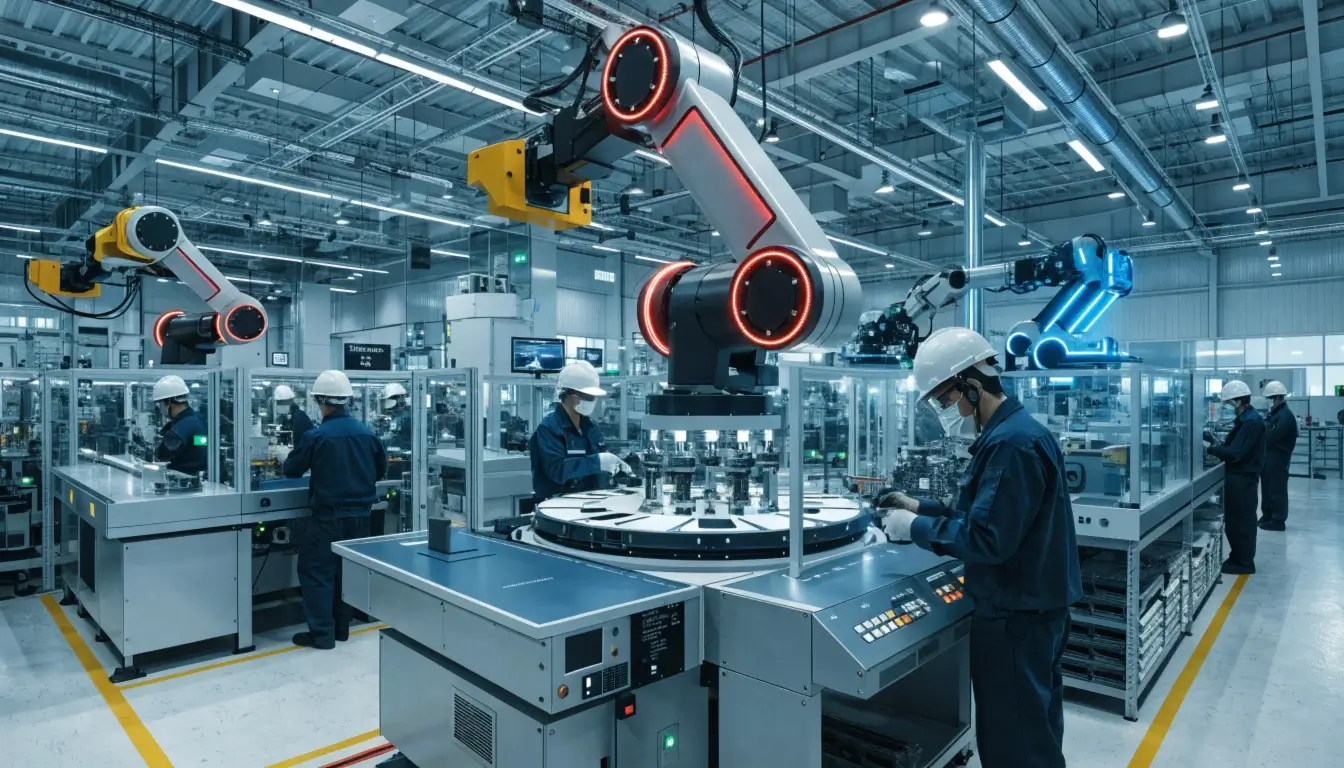
Evaluating warehouse jobs vs factory jobs reveals that warehouses prioritize flexible material movement and shipping speed, while factories focus on repetitive, precision-based assembly line production and machine operations. Warehouse roles offer more dynamic daily foot movement across massive floors, whereas factory positions concentrate work at fixed, stationary assembly stations with predictable production tempos.
⚠️ Table of Contents
Quick Picks Snapshot (Updated 2026)
- Best Overall: Warehouse Roles for physical activity and varied daily tasks; Factory Roles for fixed structures and mechanical consistency.
- Lowest Cost / Top efficiency: Warehouse picking and packing roles require zero pre-hire certifications.
- Best for beginners: Entry-level assembly and basic storage fulfillment.
- Data Disclosure Notice: Material limits, credentials, pricing, and operating fees are based on publicly available directories and documentation files as of 2026. This detailed analysis of warehouse jobs vs factory jobs is designed to help you determine which work environment matches your physical limits and financial goals.
Side-by-Side Comparison Matrix
Our definitive grid breaks down the functional differences in warehouse jobs vs factory jobs for 2026. By looking at these core fields side by side, you can quickly spot which environment suits your work style.
| Feature / Metric | Warehouse Operations | Factory Operations | Key Difference Explainer |
|---|---|---|---|
| Primary Task Focus | Sorting, picking, packing, shipping. | Assembling, molding, machining, testing. | Warehouses move existing products; factories create new ones. |
| Daily Movement Type | High walking, lifting, moving across bays. | Stationary standing, repetitive hand assembly. | Warehouse workers walk miles daily; factory workers stand in one spot. |
| Average Hourly Pay | $16.50 – $22.00 per hour baseline. | $17.50 – $25.50 per hour baseline. | Factory work often commands a slightly higher specialized wage premium. |
| Shift Predictability | Fluctuates heavily with seasonal shopping. | Highly consistent production lines. | Factories run on fixed year-round schedules; warehouses peak in winter. |
| Workplace Hazard Level | Forklift traffic, falling boxes, strains. | Extreme heat, heavy machinery, loud noise. | Factories present more intense machinery-related environmental hazards. |
When researching the nuances of warehouse jobs vs factory jobs, you must look beyond the base hourly wage. Understanding the physical layout and shift systems reveals how much your work life will vary. Specifically, analyzing warehouse worker vs factory worker pay patterns shows that specialized manufacturing roles often provide higher long-term ceilings, whereas storage spaces offer immediate entry point accessibility.
How to Choose Between Warehouse Jobs and Factory Jobs
Determining your preferred work environment requires assessing several individual trade-offs. If you prefer staying active and walking long distances, storage and distribution centers are usually a natural fit. Conversely, if you prefer mastering a specific machinery tool or working in a highly structured, stationary assembly environment, manufacturing plants are superior options.
Understanding warehouse jobs vs factory jobs requires looking at how raw materials transform into consumer products. In a distribution hub, operations revolve around tracking, picking, packing, and sorting existing inventory. To succeed here, you must be comfortable reading digital scanner screens and navigating dynamic walkways quickly. Comparing warehouse jobs compared to factory jobs, the former places a much heavier emphasis on speed-to-ship metrics.
In contrast, manufacturing plants focus heavily on industrial creation. Operators must carefully monitor material inputs, calibrate precision tools, and inspect finished outputs. Because of this, factory floors are often organized into strict assembly lines where consistency and attention to quality are paramount. This stationary setup requires intense focus to prevent defects on the line.
Another core pillar of warehouse jobs vs factory jobs is the predictability of your shift patterns. Many factory facilities operate around-the-clock schedules with highly stable, year-round production runs. Warehouses, however, are deeply tied to e-commerce consumer demand, which means they frequently require mandatory overtime during winter holiday seasons and slower hours during spring lulls.
Detailed Career & Option Reviews
To clarify the realities of warehouse jobs vs factory jobs, we have analyzed six of the most common roles across both industries. Our evaluation examines the day-to-day duties, earning potentials, and specific requirements for each path. This breakdown is designed to help you identify which role aligns with your natural strengths, especially when analyzing warehouse jobs vs factory jobs for beginners who want to enter the workforce quickly.

1. Order Picker & Material Handler (Warehouse Sector)
This entry point showcases the baseline duties of warehouse jobs vs factory jobs in practical terms. As an order picker, your main priority is walking through aisles to locate and retrieve specific inventory products. You will use handheld RF scanners to register item barcodes, ensuring that inventory counts remain accurate across digital management platforms.
Earning potentials typically hover between $16.50 and $19.00 per hour depending on geographic demand. These roles rarely require prior experience, making them incredibly accessible for first-time applicants. Most facilities provide on-the-job safety instruction, allowing you to begin working within days of passing basic screening procedures.
Individuals who weigh warehouse jobs vs factory jobs often start here to gain rapid industry exposure. To help build solid credentials for this physical pathway, candidates can reference the Forklift and Heavy Machinery Certification Academy to qualify for higher pay scales quickly. The primary downside is the heavy toll of walking up to 12 miles daily on hard concrete floors.
2. Assembly Line Operator (Factory Sector)
Assembly line operators stand at fixed stations, fitting together individual parts to create finished products. This role requires excellent manual dexterity, patience, and a strong eye for detail. Unlike the mobile nature of storage facilities, this demonstrates how warehouse jobs vs factory jobs differ in daily movement, as you will remain stationary for hours at a time.
Pay scales generally start higher than entry warehouse roles, averaging $18.00 to $21.50 per hour. Many manufacturing plants offer solid union backing, providing structured annual pay raises and robust healthcare plans. However, the work can feel highly repetitive, and the noise levels of assembly machinery require wearing hearing protection throughout your shift.
To assist with quick applications, utilizing an expert tool integration guide can streamline the online intake process. Many assembly plants face consistent labor shortages, which means they are actively seeking candidates who can demonstrate reliability, basic safety compliance, and punctuality.
3. Forklift Operator & Logistics Specialist (Warehouse Sector)
For those investigating warehouse jobs vs factory jobs, acquiring heavy equipment credentials can instantly lift baseline earnings. Forklift operators are responsible for moving heavy pallets, unloading flatbed trucks, and stacking materials safely up to forty feet high. It is a highly respected role that takes the physical strain of walking off your feet.
Wages for certified forklift operators range from $19.00 to $24.00 per hour. To obtain these roles, you must secure an OSHA-compliant forklift operator license, which many employers are willing to sponsor. Candidates looking to transition fast can use high-performing optimization tools to secure local listings.
While the physical toll is lighter than manual picking, forklift operation demands extreme spatial awareness. You must navigate tight spaces, manage blind corners, and keep pedestrians safe. Accidents involving machinery can lead to immediate termination, meaning safety protocols must be followed diligently every shift.
4. CNC Machine Operator (Factory Sector)
Computer Numerical Control (CNC) machine operators load materials into automated cutting tools and monitor fabrication processes. This trade highlights the technical divergence when analyzing warehouse jobs vs factory jobs over a long career horizon. Instead of moving items, you are programming and checking the precision of metal or plastic fabrications.
Wages typically span from $21.00 to $27.00 per hour, reflecting the higher technical skill required. Finding success in this field requires comfort with basic mathematics, blueprints, and digital calipers. Over time, CNC machine skills can lead directly to highly stable, high-paying tool-and-die maker professions.
If you enjoy working with computers and solving technical engineering problems, this is an excellent pathway. To bolster your understanding of general factory standards, completing a National OSHA Safety Prep Course is highly recommended. The main hurdle is the training period, which can take several months of apprenticeship to master fully.
5. Quality Assurance Inspector (Factory Sector)
Evaluating quality assurance roles shows how warehouse jobs vs factory jobs handle regulatory compliance and defect tracking. Quality inspectors examine batch samples on production lines to ensure everything meets exact engineering tolerances. You are responsible for identifying manufacturing defects and stopping production lines if issues occur.
Starting pay is competitive, averaging $19.50 to $25.00 per hour. Because quality control directly affects brand reputation, this position demands incredible mental focus and assertiveness. It is a fantastic option for workers who want to transition away from raw physical labor while remaining in the industrial sector.
The role can occasionally involve social friction, as you must hold your peers accountable to rigorous standards. However, it offers a clean, highly structured, and mentally engaging environment. Most employers require a high school diploma and several years of basic plant experience before promotion.
6. Inventory Control Coordinator (Warehouse Sector)
Inventory control coordinators manage stock reconciliation, audits, and cycle counts inside distribution hubs. You will investigate discrepancies between physical inventory and warehouse management system databases. Inventory management illustrates the cognitive side of warehouse jobs vs factory jobs that many entry-level workers overlook.
Wages generally range from $18.50 to $23.00 per hour. This path is ideal for organized, detail-oriented individuals who enjoy data verification and system optimization. You will use laptops, tablets, and advanced industrial tracking software to maintain flawless record integrity.
The daily tasks are a balanced blend of walking the floor to verify stock bins and sitting at a desk analyzing reports. While it lacks the high-intensity physical stress of manual picking, it does require strong analytical skills. This position often serves as a direct stepping stone into logistics management.
Elevate Your Industrial Career Standards
Unlock immediate pay raises and secure higher-tier roles by building your professional certification credentials today.
Compensation & Earnings Calculations
To illustrate the earning potential of warehouse jobs vs factory jobs, we must run a practical projection based on average overtime. Let’s compare an entry-level warehouse material handler with an entry-level assembly operator over a standard monthly period. This calculation highlights how different base pay rates and mandatory overtime hours affect your take-home pay, providing a clear comparison of warehouse jobs vs factory jobs salary dynamics.
Monthly Income Projection Model (2026)
Scenario A: Warehouse Material Handler (Variable Peak Hours)
– Base Hourly Rate: $18.00 / hour (40 hours per week)
– Overtime Rate (1.5x): $27.00 / hour (Average 8 hours OT per week during peak)
– Weekly Gross Income: (40 * $18.00) + (8 * $27.00) = $720.00 + $216.00 = $936.00 / week
– Estimated Monthly Gross: $936.00 * 4.33 weeks = $4,052.88
Scenario B: Factory Assembly Operator (Stable Manufacturing Shift)
– Base Hourly Rate: $20.50 / hour (40 hours per week)
– Overtime Rate (1.5x): $30.75 / hour (Average 3 hours OT per week year-round)
– Weekly Gross Income: (40 * $20.50) + (3 * $30.75) = $820.00 + $92.25 = $912.25 / week
– Estimated Monthly Gross: $912.25 * 4.33 weeks = $3,950.04
As shown in the calculation above, while factory work boasts a higher base rate, the seasonal overtime opportunities in warehouses can occasionally close the gap. However, the factory worker benefits from consistent, year-round stability, making long-term financial budgeting much easier. When comparing factory work vs warehouse work, consider whether you prefer seasonal surges or steady paychecks.
Pros and Cons and Main Tradeoffs
Weighing the advantages of warehouse jobs vs factory jobs allows candidates to select an environment that aligns with their mental stamina. Every workplace setting carries distinct benefits along with clear drawbacks that can impact your long-term physical health. Below, we break down these trade-offs to help you make an informed decision.
Warehouse Careers Pros
- High Mobility: Continuous walking keeps you physically active and fit throughout the day.
- Easy Entry Point: Many positions require zero prior training or special credentials to start.
- Skilled Portability: A major pro in the context of warehouse jobs vs factory jobs is the relative ease of transferring skills across different supply hubs.
Warehouse Careers Cons
- Seasonal Instability: Hours can drop significantly after major holiday shipping rushes end.
- Physical Wear and Tear: Walking miles daily on hard concrete can strain knees and feet.
Factory Careers Pros
- Higher Base Pay: Technical assembly and machine operation command stronger baseline hourly rates.
- Stable Schedules: Year-round production schedules ensure highly consistent, predictable income.
- Stronger Union Backing: Many factories feature established collective bargaining agreements for workers.
Factory Careers Cons
- Stationary Fatigue: Conversely, the disadvantages of warehouse jobs vs factory jobs involve repetitive motion strain and standing in one spot.
- Intense Environments: Factory floors often feature high heat levels, strong odors, and loud background noise.
Common Pitfalls & Mistakes to Avoid
A major trap when comparing warehouse jobs vs factory jobs is assuming that the physical workloads are identical. Many entry-level candidates apply for factory positions expecting the active movement of a fulfillment center, only to struggle with the stationary posture required on an assembly line. This stationary standing can cause significant lower back pain if you fail to use proper ergonomics.
Another common mistake is ignoring the long-term impact of repetitive strain injuries (RSIs). In a manufacturing plant, performing the exact same wrist or hand motion thousands of times per shift can lead to conditions like carpal tunnel syndrome. In contrast, warehouse roles present different physical risks, such as acute back strains from improper lifting habits.
Applicants researching warehouse jobs vs factory jobs often forget to calculate regional transportation costs to remote industrial parks. Because these facilities require massive real estate footprints, they are frequently located far from urban residential centers. Be sure to factor transit times and fuel costs into your overall compensation considerations before accepting a job offer.
📍 How to Seek warehouse jobs vs factory jobs in Your Area
To find the highest-paying local openings for warehouse jobs vs factory jobs, candidates should look beyond generic search boards. Many of the most lucrative and secure positions are filled through specialized industrial staffing agencies or regional union hiring halls. Below are four highly actionable pathways to help you identify and secure top local openings, especially when looking for warehouse jobs vs factory jobs in usa.
- Register with Industrial Staffing Agencies: Specialized staffing firms like Randstad, Aerotek, and Adecco hold exclusive hiring contracts with major distribution and manufacturing facilities.
- Visit Local Union Halls: Inquiring at local Sheet Metal Workers, Teamsters, or Machinists union offices can connect you to high-paying apprentice roles with excellent health pensions.
- Target Regional Industrial Parks: Driving through local industrial zones and looking for “Now Hiring” signs is a highly effective way to locate employers who accept direct walk-in applications. To help navigate these regional variances, referencing a comprehensive utility comparison roadmap can highlight where the best supply chain hubs are clustered.
- Utilize Specialized Online Job Boards: Platforms like Indeed, ZipRecruiter, and state workforce commission databases frequently list immediate openings with transparent pay rates.
Direct applications for warehouse jobs vs factory jobs can also be made by visiting local union offices or industrial developments. Maintaining an updated, clean resume that highlights your punctuality, safety record, and willingness to work flexible shifts will instantly make you a highly competitive applicant.
⚠️ Operational Safety & Risk Warning:
Workplace safety remains a vital aspect of warehouse jobs vs factory jobs, requiring continuous attention to physical protection. Never skip wearing your steel-toed boots, protective safety glasses, and high-visibility vests. Always use proper, leg-driven lifting techniques to protect your back, and never operate heavy machinery or forklifts without valid licensing and training.
“Forum users discussing warehouse jobs vs factory jobs note that shifts are physically draining but offer excellent entry-level stability. Many suggest that starting in a warehouse provides quicker cash, but transition to factory machinery operation if you want to protect your knees and earn a higher hourly wage over the long haul.”
— r/careerguidance Forum Community Insight / Anonymous Public Feedback Summary
Frequently Asked Questions
What is the starting pay for warehouse jobs vs factory jobs?
Entry-level warehouse jobs typically start around $16.50 to $22.00 per hour, whereas factory roles command slightly higher starting wages between $17.50 to $25.50 per hour due to specialized equipment requirements.
Do I need a high school diploma for these roles?
Most distribution hubs and factories prefer a high school diploma or GED, but many entry-level positions will hire candidates who demonstrate strong basic literacy and physical capabilities.
How long does training take to start working?
Warehouse onboarding training usually takes 1 to 3 days on-site, whereas factory machine operators may require 2 to 6 weeks of structured technical preparation and safety instruction.
What are the physical stamina requirements?
Warehouse roles demand heavy walking and lifting up to 50 pounds, while factory positions require standing in one place and performing repetitive fine-motor assembly actions.
Are drug tests required for these positions?
Yes, most industrial employers conduct pre-employment drug screening and routine background checks to ensure workplace safety around heavy equipment.
Do these jobs offer union protections?
Factory jobs are much more likely to be backed by national unions, while warehouse environments are historically less unionized but are rapidly organizing.
Are remote positions available for warehouse jobs vs factory jobs?
These roles require physical on-site presence, making fully remote or hybrid arrangements impossible due to the hands-on nature of inventory logistics and product manufacturing.
How do seasonal fluctuations affect my hours?
Warehouses experience massive seasonal spikes in winter with mandatory overtime, while factory operations maintain more stable and predictable year-round production hours.
Sources & References Citations
- U.S. Bureau of Labor Statistics (BLS): BLS.gov Official Portal
- National Apprenticeship and Vocational Resources: Apprenticeship.gov Training Portal
- Industrial Safety Standards and Guidelines: OSHA.gov Safety Registry
Final Thoughts
Choosing between warehouse jobs vs factory jobs is a personal decision based on your long-term career goals. If you prefer dynamic, high-energy movement and want to avoid complex technical training, entering the warehouse logistics space offers an excellent starting point. The ease of entry allows you to start earning a steady income almost immediately with minimal administrative barriers.
Those who succeed in warehouse jobs vs factory jobs typically align their daily work habits with the natural pace of their environment. If you possess a high level of patience, enjoy fine-motor precision, and want to build specialized trade skills, factory positions offer higher earning potential and stronger long-term stability. The structured environment of a manufacturing plant often yields better retirement plans and consistent shift hours.
Ultimately, exploring warehouse jobs vs factory jobs opens doors to competitive benefits and stable pay scales in a thriving industrial sector. We recommend visiting local staffing offices, reviewing safety standards, and evaluating your physical preferences before submitting applications. Taking the time to select the right path today will set you up for a safe, profitable, and highly rewarding industrial career.