Disclosure: The links provided in this evaluation represent intentional affiliate partnerships. We earn a commission when you register, sign up, or apply through these links at absolutely no additional cost to you. All product recommendations are made objectively based on public user track records.
Supply chain dynamics in 2026 are forcing a massive re-evaluation of how commercial truck drivers balance their home life and their bank accounts. Fluctuating diesel prices, changing shipper demands, and strict electronic logging device (ELD) enforcement have reshaped the daily grind for professional haulers. When exploring commercial trucking careers, the most critical decision a driver faces is evaluating the lifestyle and financial trade-offs of Local CDL Jobs vs OTR Jobs. Choosing incorrectly can lead to swift burnout or severe financial stress.
Many drivers enter the transportation sector expecting easy miles and high pay, only to find themselves isolated on the highway or exhausted by constant physical loading at municipal warehouses. Understanding the true operational realities is the only way to build a sustainable, long-term career. This comprehensive editorial guide strips away the recruiter gloss to reveal the raw facts of modern commercial driving.
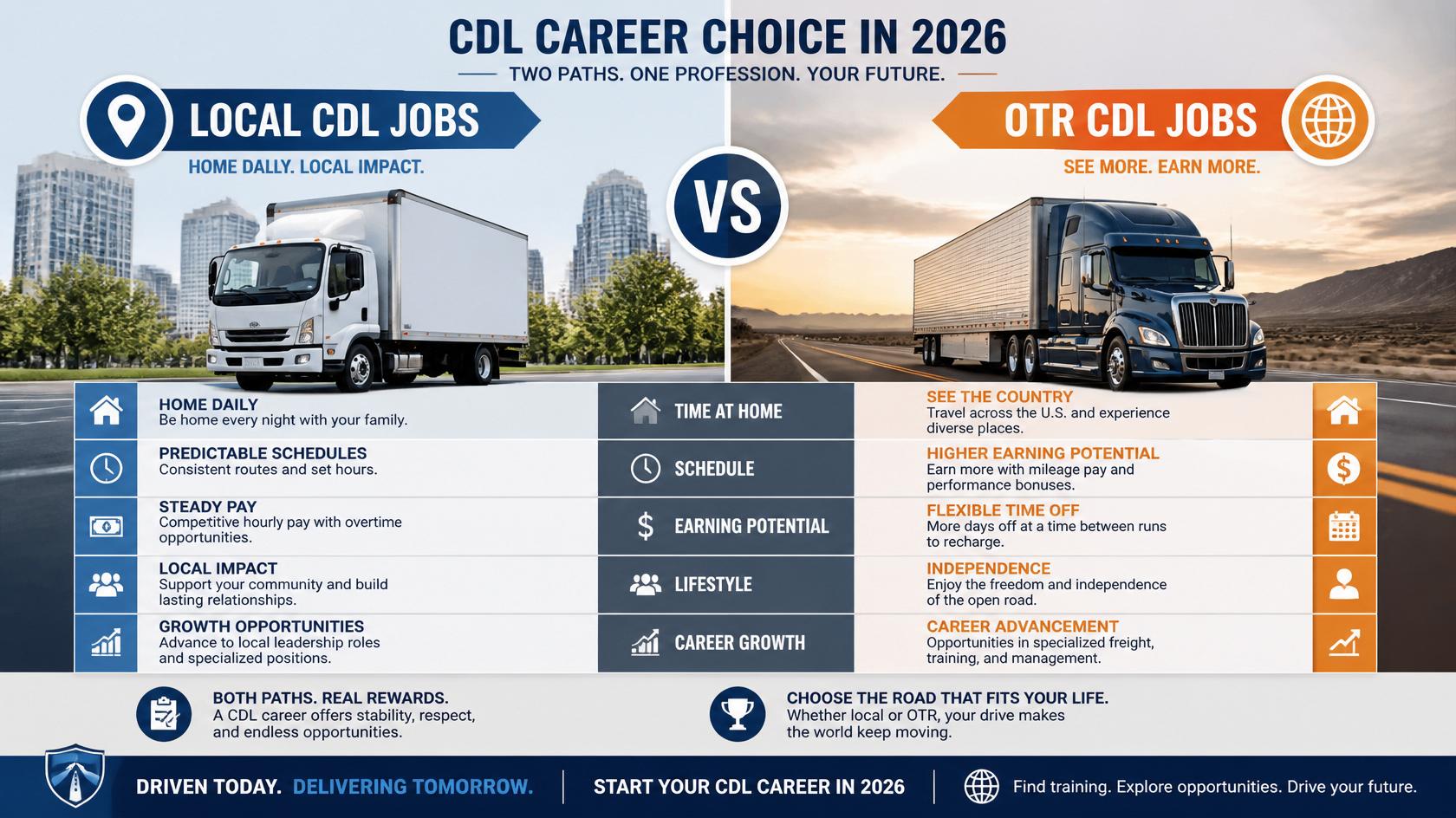
Local CDL Jobs vs OTR Jobs present a fundamental trade-off: local roles provide home-daily schedules and predictable hourly pay but require high physical labor, while Over-The-Road (OTR) positions maximize mileage pay and highway driving at the cost of weeks away from home. Your ideal choice depends on whether you prioritize domestic stability or pure mileage accumulation.
⚠️ Table of Contents
Quick Picks Snapshot (Updated 2026)
- Best Overall for Families: Local CDL positions using stable hourly or LTL linehaul models.
- Lowest Cost / Top Efficiency: OTR dry van operating with mega-carriers offering paid CDL sponsorships.
- Best for Beginners: Fleet-sponsored OTR driving to build initial experience before seeking local runs.
- Data Disclosure Notice: Expense schedules and fees are based on publicly available disclosures and broker documents as of 2026.
Side-by-Side Comparison Matrix
To help you visual the structural differences instantly, the matrix below outlines the primary operating distinctions. These elements represent standard baselines across major freight carriers.
| Core Metric | Local CDL Operations | Over-the-Road (OTR) | Primary Takeaway |
|---|---|---|---|
| Home Time | Daily (usually 10-12 hour shifts) | Every 2 to 4 weeks on average | Local secures a normal personal life; OTR demands a lifestyle commit. |
| Pay Structure | Hourly (frequently with Overtime) | Cents-Per-Mile (CPM) or percentage | Local pays for every hour worked; OTR relies heavily on moving wheels. |
| Physical Strain | High (loading, lifting, frequent stops) | Low (predominantly drop-and-hook) | Local drivers trade physical effort for home-cooked meals nightly. |
| Equipment Used | Day cabs, box trucks, flatbed straight-trucks | Large sleeper berth tractors | OTR tractors act as a rolling bedroom; day cabs offer agile city handling. |
| Route Hazards | Tight city turns, low clearances, local traffic | Severe interstate weather, mountain passes | Local drivers face acute congestion stress; OTR faces chronic fatigue. |
Evaluating this matrix shows that neither path is inherently superior. Instead, each option aligns with specific phases of a driver’s career. Younger, single operators often utilize over-the-road runs to accumulate capital quickly, while veterans gravitate toward local routes.
Additionally, the rising infrastructure demands of urban hubs have increased local delivery density. This means metropolitan local positions are more numerous than ever before. However, getting hired in these roles usually requires a pristine driving record.
How to Choose Between Local CDL Jobs and OTR Jobs
When examining the immediate earning capacity of Local CDL Jobs vs OTR Jobs, drivers quickly realize that compensation models vary heavily. Hourly pay structures protect you from losing money during shipping delays. Conversely, mileage-based pay structures incentivize raw efficiency and long highway runs.
In terms of daily routine, comparing Local CDL Jobs vs OTR Jobs reveals stark contrasts in sleep patterns and mental health. Local drivers wake up in their own beds, but they must wrestle with early morning traffic daily. Over-the-road drivers enjoy empty highways but face the psychological toll of truck stop isolation.
Furthermore, entry-level accessibility varies between these two professional pathways. Most local employers demand at least one to two years of verifiable Class A CDL experience to lower their insurance premiums. Consequently, many newly licensed drivers use OTR positions to log their initial safety miles. Navigating these license classes forms a key stepping stone on any modern federal trade career roadmap, serving as the launchpad for higher specialty certifications.
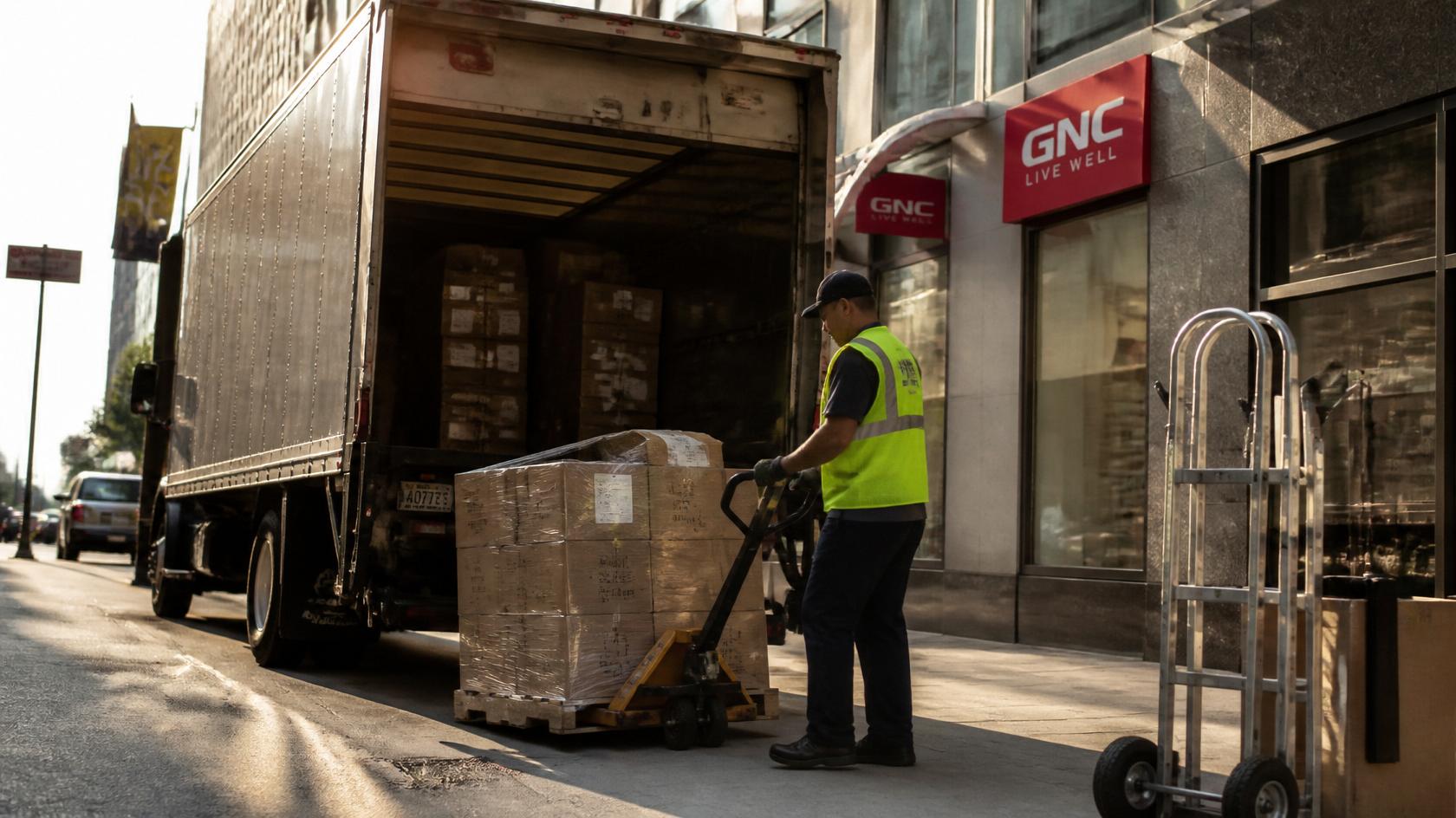
According to the U.S. Bureau of Labor Statistics (BLS), heavy and tractor-trailer truck drivers face some of the highest injury rates across all domestic occupations. Therefore, evaluating your physical fitness level is crucial before committing. If you suffer from joint issues, the constant climbing and unloading of local beverage runs will prove challenging.
Detailed Career & Option Reviews
Dry Van Logistics
Dry van logistics represents the standard entry point for commercial operators. This path involves pulling non-refrigerated 53-foot box trailers containing dry consumer goods, manufacturing parts, or palletized retail cargo. The majority of these operations are drop-and-hook, meaning minimal manual physical unloading.
Financially, dry van regional lanes pay reliable mileage rates, usually ranging from $0.50 to $0.68 per mile in 2026. However, drivers frequently experience unpaid detention delays at shipper docks, which can depress weekly earnings if the carrier lacks a strict detention pay policy. To build solid fundamentals, drivers can utilize training tools like the CDL Premium Training Portal to pass endorsement exams that open up higher-paying dry van options.
On-the-job, this specialty requires high patience during long interstate crossings and tight maneuvers at older warehouse docks. It is highly suited for newly licensed operators who need to log accident-free miles without the added complexity of managing temperature controls or heavy load securement devices.
Refrigerated Freight (Reefer Driving)
Reefer driving demands high attention to detail because you are hauling temperature-sensitive agricultural produce, frozen foods, or medical pharmaceuticals. The transport units utilize integrated diesel-powered refrigeration systems that must be monitored continuously to prevent cargo spoilage. This segment operates around the clock, meaning irregular sleep cycles are common.
Because of the added responsibility, reefer fleets generally offer premium mileage rates, often paying $0.05 to $0.10 more per mile than dry van operations. Drivers must handle deep cleanup washouts between loads to satisfy strict federal food safety regulations. To accelerate your entry into this lucrative field, leveraging the Trucking Industry Certification Accelerator can help secure premium carrier placements faster.
Ultimately, this option suits highly disciplined drivers who do not mind the constant humming noise of the reefer unit right behind the sleeper berth. Shippers in this space are notorious for long loading delays, making a robust detention pay contract essential before signing with a carrier.
Flatbed Hauling and Specialized Cargo
Flatbed hauling is a physically demanding trucking specialty that requires hauling heavy machinery, building supplies, steel coils, and oversized industrial infrastructure. The core challenge of this specialty lies in cargo securement rather than the driving itself. Operators must master complex physical math to calculate center-of-gravity forces and dynamic wind resistance.
Pay rates for flatbed driving are exceptionally high, with experienced drivers commanding premium percentages of the total load value. Drivers must throw heavy steel chains, wrap giant vinyl tarps in freezing weather, and perform frequent roadside inspections to verify strap tension. This physical effort keeps flatbed operators in great physical condition but increases the risk of chronic joint injuries over time.
This path is highly recommended for drivers who dislike the monotony of sitting in a cab all day and prefer active physical problem-solving. It offers excellent career longevity, as specialized heavy-haul drivers are always in high demand across the industrial sector.

Tanker and HazMat Transport
Tanker and HazMat operations represent the absolute pinnacle of commercial driving compensation and safety requirements. Hauling liquid bulk, petroleum products, or volatile chemical gases requires specialized tanker (N) and hazardous materials (H) endorsements. The liquid surge dynamic inside a partially filled tank trailer creates complex physics that can easily roll a truck if curves are taken too quickly.
Salary packages in this niche frequently exceed six figures, with many local fuel delivery drivers earning substantial hourly wages plus overtime. Employers vet tanker candidates intensely, requiring spotless drug screenings, detailed background verifications, and excellent driving history. Safety protocols at chemical refineries are incredibly strict, leaving zero margin for procedural errors or casual shortcuts.
For drivers who prioritize career prestige and top-tier financial rewards, tanker hauling is the gold standard. It provides an excellent blend of local daily work and premium pay, provided you can handle the high psychological responsibility of hauling volatile cargo.
Less-Than-Truckload (LTL) Linehaul Operations
LTL linehaul operations form the bedrock of regional freight distribution, utilizing a hub-and-spoke terminal model. Linehaul drivers transport consolidated freight between major regional hubs, often pulling doubles (two smaller trailers hooked in tandem). This segment relies on highly predictable schedules, with many drivers working overnight runs and returning home every morning.
LTL carriers like FedEx Freight, Old Dominion, and Estes pay excellent wages, often structured as a hybrid of high mileage pay and hourly terminal time. Union protections are common in this sector, providing robust health benefits and guaranteed pension plans. However, these positions are highly competitive, and senior drivers typically secure the preferred daytime routes first.
For those who desire structure, reliable paychecks, and the ability to sleep in their own bed daily, LTL linehaul is an exceptional choice. It requires high skill in maneuvering doubles trailers through congested regional terminals, but the financial stability is unmatched.
Food Service and Local Beverage Distribution
Food service and beverage distribution is arguably the most physically exhausting sector of local commercial driving. Drivers navigate small day cab tractors or straight trucks through tight downtown alleys, school parking lots, and restaurant delivery bays. Every morning, you must hand-unload thousands of pounds of food boxes or beverage cases down a metal ramp using a hand cart.
The financial reward for this intense labor is a high hourly starting wage, often exceeding $32 per hour, along with guaranteed overtime after 40 hours. This creates an incredibly stable income stream that is entirely independent of national freight market slumps. Unfortunately, the physical wear and tear on knees, shoulders, and backs leads to high industry turnover rates.
This pathway is best suited for younger, highly athletic drivers who want to maximize their immediate earnings without committing to weeks away from home. It serves as a great physical training ground before transitioning to less demanding local tanker or LTL roles later in life.
Core Training Strategies: Local CDL Jobs vs OTR Jobs
To successfully transition into either driving role, you must choose your commercial driver’s license (CDL) training strategy wisely. OTR-focused mega-carriers often offer fully sponsored CDL training schools in exchange for a one-year driving commitment. This path has zero upfront costs but binds you to low-paying mileage rates during your first year of national service.
Conversely, local driving jobs require you to fund your own CDL training at a private technical school. This route demands an upfront investment of $4,000 to $7,000 but grants you complete freedom to apply to high-paying local municipal fleets immediately upon graduation. Deciding between these training routes is a crucial financial step that dictates your career trajectory for years.
Licensing Requirements: Local CDL Jobs vs OTR Jobs
Federal regulations govern commercial licenses, but local jobs and OTR runs have different endorsement requirements. Over-the-road interstate drivers must comply with FMCSA medical certification standards and maintain a valid interstate medical card. They rarely need specialty endorsements unless pulling reefers or specialized flatbeds.
Local positions, however, often require a suite of endorsements to maximize your utility to the employer. Having your doubles/triples (T), tanker (N), and HazMat (H) endorsements makes you highly versatile for local LTL and fuel distribution fleets. Securing these endorsements early in your career is the fastest way to bypass entry-level experience barriers.
CDL Premium Training Portal
Accelerate your commercial driving career today. Master your CDL permit exams, pass endorsements effortlessly, and access top-tier local and regional job placement tools in your area.
OTR vs. Local Pay Math
A major trap for new drivers is focusing solely on the stated pay rate without calculating actual duty hours. Mileage pay sounds incredibly lucrative on paper, but it frequently hides unpaid labor. The calculation block below illustrates how a seemingly lower local hourly wage can outpace OTR mileage earnings when unpaid time is factored in.
Real-World Weekly Compensation Breakdown (OTR CPM vs. Local Hourly):
Option A: Over-the-Road (OTR) Mileage Pay
• Total Weekly Mileage: 2,800 miles
• Pay Rate: $0.65 per mile (CPM)
• Weekly Mileage Earnings: 2,800 × $0.65 = $1,820.00
• Unpaid Duty Hours (Detention, Pre-trip, Post-trip): 15 hours
• Total Logged Duty Hours: 70 hours
• Effective Hourly Compensation: $1,820.00 ÷ 70 hours = $26.00/hour
Option B: Local Hourly Pay with Overtime (OT)
• Scheduled Work Week: 50 hours
• Base Pay Rate: $28.50/hour (First 40 hours)
• Overtime Pay Rate: $42.75/hour (1.5x for 10 hours)
• Regular Weekly Earnings: 40 × $28.50 = $1,140.00
• Overtime Weekly Earnings: 10 × $42.75 = $427.50
• Total Weekly Earnings: $1,140.00 + $427.50 = $1,567.50
• Effective Hourly Compensation: $1,567.50 ÷ 50 hours = $31.35/hour
This calculation clearly demonstrates that local hourly driving offers a superior return on actual physical time spent working. While OTR driving can yield larger total checks during high-mileage weeks, the unpaid hours spent waiting at shippers, fueling, and performing pre-trip inspections can significantly drag down your true hourly wage.
Pros and Cons and Main Tradeoffs
Analyzing the operational realities of Local CDL Jobs vs OTR Jobs highlights that what OTR gains in sheer mileage, local operations match in physical labor. Every prospective driver must weigh these competing advantages before applying to local trucking carriers.
Local CDL Driving Advantages
- Daily Home Time: You maintain a normal family life, sleep in your own bed, and can participate in regular community activities.
- Stable Hourly Income: You are paid for every minute you spend on duty, including traffic delays and dock waiting times.
- Physical Activity: The regular physical unloading prevents the cardiovascular health decline commonly associated with OTR driving.
Local CDL Driving Disadvantages
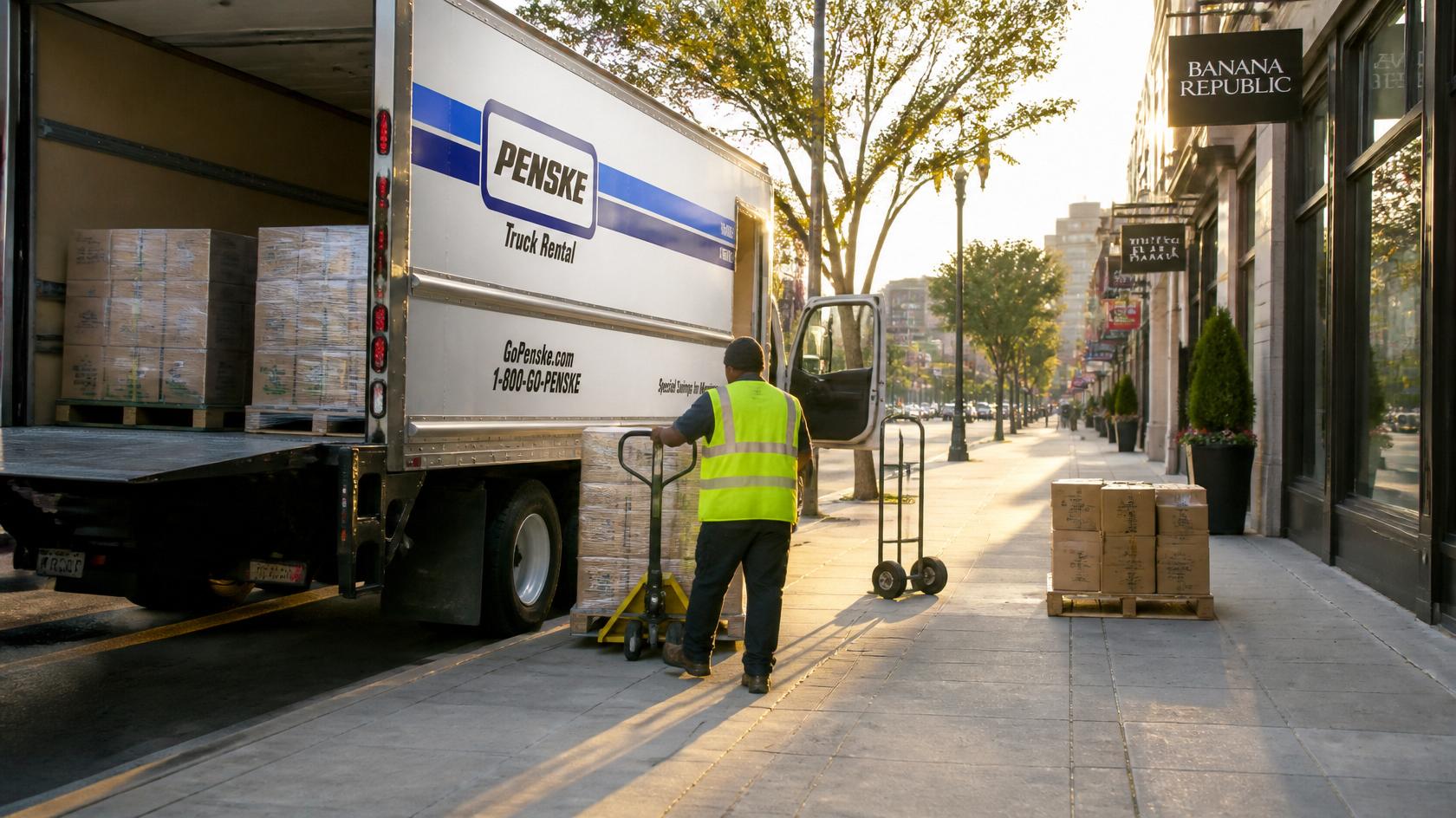
- High Physical Demands: Constant lifting, bending, and climbing in bad weather can cause rapid joint wear and tear.
- Long, Rigid Daily Shifts: Shifts often start at 3:00 AM or 4:00 AM and run a full 12 hours, leaving little free time on workdays.
- Congested Urban Driving: Managing tight city streets, low-hanging tree branches, and aggressive car drivers creates high mental stress.
Common Pitfalls & Mistakes to Avoid
The most common mistake rookies make is signing predatory lease-purchase agreements with over-the-road mega-carriers. These programs promise the pride of truck ownership but shift all financial risks, fuel costs, and maintenance expenses onto the driver. Many end up earning less than minimum wage after truck payments are deducted.
Another frequent trap is neglecting nutritional health while driving over-the-road. Relying on truck stop fast food and energy drinks leads directly to high blood pressure, diabetes, and sleep apnea. These conditions can result in a failed DOT medical card renewal, ending your commercial driving career permanently.
For drivers transitioning to government agency roles, utilizing a civil service exam preparation guide can assist in navigating municipal equipment operator hiring steps. Commercial driving remains one of the most reliable and accessible high-paying blue collar careers in the modern industrial landscape, provided you avoid these common structural traps and protect your physical health.
📍 How to Seek and Secure This in Your Area
Securing high-paying local work requires a more personalized, proactive approach than applying online to national mega-carriers. Excellent local jobs are often unadvertised, relying instead on word-of-mouth and direct physical applications.
- In-Person Terminal Visits: Dress professionally, print five copies of your resume, and walk directly into local industrial park terminals to speak with the dispatcher.
- Leverage Beverage and Food Distributors: Pepsi, Coke, Sysco, and US Foods are almost always hiring local delivery drivers due to the demanding physical nature of the work.
- Monitor Municipal Job Boards: City water departments, public works agencies, and local waste management departments offer excellent pension-backed CDL roles.
- Target Local Construction & Ready-Mix Fleets: Local dump truck and concrete mixer fleets offer steady daytime work throughout the spring, summer, and autumn construction seasons.
⚠️ Operational Safety & Risk Warning:
Never compromise on your physical and mechanical safety. Under FMCSA regulations, you have the legal right to refuse to drive an unsafe vehicle. Always perform a rigorous, non-negotiable pre-trip inspection of your brakes, tires, and steering gear before starting your shift. Your CDL is your livelihood; protect it by prioritizing safety over dispatch pressures.
“I spent eighteen months running OTR to pay off my school training debt and build clean safety miles. The day I transitioned to local LTL, my stress plummeted—I finally get to have dinner with my kids every single night, and the hourly pay structure means I actually get paid when waiting at dock terminals.”
— r/trucking Forum Community Insight / Anonymous Public Feedback Summary
Frequently Asked Questions
What are the average starting hourly wages for local CDL jobs?
In 2026, entry-level local CDL drivers typically start between $24.00 and $28.00 per hour. Highly specialized municipal, LTL, or fuel delivery drivers often secure starting wages between $30.00 and $36.00 per hour. Most of these local roles offer time-and-a-half overtime pay after working 40 hours in a single week.
Do I need previous experience to get hired for local CDL work?
While many premium local carriers prefer one to two years of clean driving experience, many food service and beverage companies hire raw graduates immediately. Municipal public works departments and local waste management companies also offer entry-level training programs for newly licensed CDL holders who pass their initial safety assessments.
What are the typical physical shifts and weekend cycles for local driving?
Local CDL shifts are physically demanding, often running 10 to 12 hours per day. Morning shifts frequently start extremely early, between 3:00 AM and 5:00 AM, to beat metropolitan rush hour traffic. Weekend work varies, with beverage fleets offering solid Monday-through-Friday schedules and food distributors requiring rotating Saturday shifts.
Is there a heavy lifting requirement for local CDL positions?
Yes, local delivery drivers must regularly lift up to 50 to 75 pounds using specialized hand carts, pallet jacks, and lift gates. This constant physical exertion is a major contrast to OTR driving, which is predominantly drop-and-hook. Drivers with pre-existing back or knee issues should look for local linehaul or tanker roles to avoid heavy physical loading.
How are company-sponsored on-the-job training (OJT) programs structured?
Company-sponsored OJT programs typically pair a new driver with a certified driver trainer for their first two to six weeks. During this paid period, you will practice tight city maneuvers, master local customer routes, and learn specific freight securement protocols. This structured onboarding process helps newly licensed drivers build confidence and safety habits.
What protective clothing and safety gear is required for local driving?
Employers require local drivers to wear steel-toe work boots, high-visibility safety vests, and protective gloves during all loading and unloading activities. Some specialized chemical and industrial flatbed fleets also mandate safety glasses, hard hats, and flame-resistant clothing. Investing in supportive, high-quality footwear is essential to prevent long-term joint pain.
What are the legal age limits and screening standards for commercial driving?
Under federal law, you must be 18 years old to drive a commercial vehicle intrastate and 21 years old to cross state lines or haul hazardous materials. All CDL holders must pass a federal DOT physical exam, submit to a background check, and participate in mandatory, random drug and alcohol screenings through the FMCSA Drug and Alcohol Clearinghouse.
Where is the best place to find real-time local CDL job listings?
The most effective way to find local listings is to check municipal job boards, search specialized transportation boards, and visit local industrial terminal offices in person. Building relationships with local drivers on forums like Reddit can also uncover unadvertised opportunities. Direct physical outreach to terminal managers often yields immediate interviews.
Sources & References Citations
- U.S. Bureau of Labor Statistics (BLS.gov) – Occupational Outlook for Heavy and Tractor-Trailer Truck Drivers
- Federal Motor Carrier Safety Administration (FMCSA) – Commercial Driver’s License Standards & Drug and Alcohol Clearinghouse Guidelines
- Apprenticeship.gov – Registered Commercial Driving Apprenticeship Programs and Standards
Final Thoughts
Ultimately, your decision between Local CDL Jobs vs OTR Jobs should align with your current family commitments, financial targets, and physical fitness levels. There is no shame in starting your career on the highway to build experience, and there is immense value in transitioning to a local, home-daily schedule to prioritize your family. Both paths offer excellent income potential and high career stability in a changing economy.
By understanding the true operational differences—and avoiding common industry traps like predatory lease-purchase programs—you can build a sustainable, high-paying career. Take your time, evaluate local employers thoroughly, and always prioritize your safety on the road. The commercial driving industry remains one of the most reliable routes to financial independence today.