Disclosure: The links provided in this evaluation represent intentional affiliate partnerships. We earn a commission when you register, sign up, or apply through these links at absolutely no additional cost to you. All product recommendations are made objectively based on public user track records.

Navigating the modern labor market requires a strategic understanding of how scheduling impacts take-home compensation. Across major industrial, logistics, and healthcare sectors, companies regularly face severe staffing shortages during overnight hours. Consequently, individuals routinely ask what night shift jobs pay the most as they navigate a shifting physical labor market.
These non-traditional shift schedules, often referred to as the graveyard shift, carry significant premium shift differentials that elevate standard base wages to remarkable levels. By choosing to work while others sleep, skilled laborers, operators, and safety professionals can secure exceptional hourly rates without requiring advanced academic degrees.
The physical labor roles that answer what night shift jobs pay the most are Chemical Plant Process Operators, Air Traffic Controllers, and Power Plant Dispatchers, with annual earnings frequently exceeding $95,000 to $130,000. These specialized offline careers leverage steep overnight shift differentials, mandatory overtime multipliers, and technical vocational certifications to maximize hourly payout.
⚠️ Table of Contents
Quick Picks Snapshot (Updated 2026)
- Best Overall: Chemical Process Operators (highest entry potential with vocational trade certificates).
- Lowest Cost / Top efficiency: Air Traffic Control (federal training pipeline paid by agency).
- Best for beginners: Overnight Logistics and Heavy Crane Operators.
- Data Disclosure Notice: Expense schedules, shift differentials, and average hourly wages are based on publicly available disclosures and national occupational registries as of 2026.

Side-by-Side Comparison Matrix
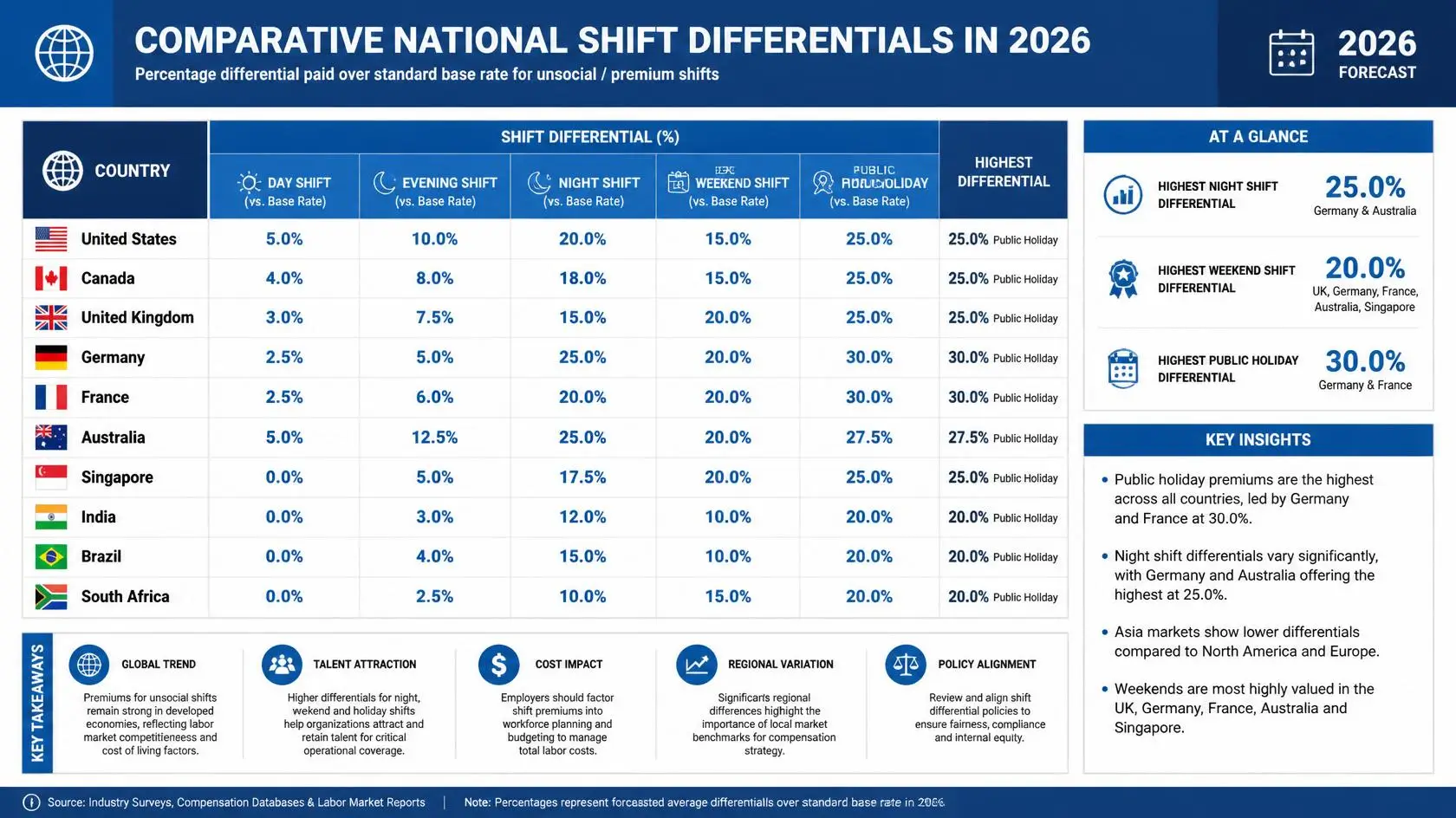
To give you an immediate view of the highest-paying offline graveyard shifts, we have compiled the key operational data across major industrial sectors. These figures represent base wages combined with standard shift premiums.
| Career Path | Average Night Salary | Typical Shift Premium | Entry Requirements |
|---|---|---|---|
| Chemical Plant Operator | $92,000 – $118,000 | 15% – 20% hourly differential | Vocational certificate / On-the-job training |
| Air Traffic Controller | $130,000 – $160,000 | 10% standard night differential | FAA Academy training & medical clearances |
| Overnight Power Dispatcher | $95,000 – $125,000 | 12% – 15% hourly differential | NERC certification / System knowledge |
| Registered Nurse (ER/ICU) | $88,000 – $115,000 | $4.50 – $8.00 flat hourly extra | Associate Degree in Nursing (ADN) & NCLEX |
| Locomotive Engineer | $90,000 – $120,000 | Mileage-based or hourly bonus | Class I Railroad training academy |
How to Choose the Right What Night Shift Jobs Pay
When investigating what night shift jobs pay the most, workers must weigh shift differentials against physical toll. Evaluating a potential nighttime role requires tracking local manufacturing, chemical plant, or infrastructure demand. Many candidates prioritize high initial hourly pay without considering the long-term roster patterns.
Additionally, shift work structures vary dramatically between rotating rosters and static night shifts. Static graveyard shifts permit consistent sleep patterning, whereas rotating rosters require adapting to fluctuating wake cycles every fortnight. Understanding your own physical limits remains absolutely essential before accepting heavy industrial placements.
Finally, look closely at the safety provisions established by the prospective employer. Companies operating hazardous processing facilities must offer comprehensive personal protective equipment (PPE) and strict fatigue management protocols. High compensation rates reflect both technical capability and the physical discipline demanded by nocturnal operations.

Detailed Career & Option Reviews
1. Chemical Plant and Refinery Process Operators
Chemical plant process operators monitor complex chemical reactors, pumps, and distillation columns during overnight shifts. Industrial manufacturing operations function continuously to prevent multi-million-dollar shutdown sequences. Consequently, plants offer significant financial incentives to attract highly vigilant overnight supervisors.
To break into this field, candidates typically benefit from following a structured federal trade career roadmap, which highlights critical safety certifications. These roles require deep understanding of pressure valves, mechanical systems, and chemical properties. Operators must undergo comprehensive on-the-job training (OJT) while maintaining strict adherence to environmental protocols.
The base wages are frequently augmented by shift differentials ranging from 12% to 20%. Experienced operators on the graveyard shift routinely secure abundant overtime hours during maintenance shutdowns, pushing their annual packages past six figures. For those seeking structured training prep resources, the Premium Shift Work Preparation Suite provides an excellent curriculum to pass initial aptitude screenings.
2. Air Traffic Control Specialists
Air traffic controllers manage civilian airspace and direct landing patterns at commercial airports 24 hours a day. While daytime traffic is incredibly dense, overnight shipping fleets and long-haul international flights require constant supervision. This high-stress physical environment demands flawless visual-spatial focus and calm verbal execution under pressure.
The Federal Aviation Administration (FAA) directly oversees the recruitment pipeline for these critical specialists. Applying candidates must successfully clear rigorous psychological screenings, medical tests, and complex cognitive evaluations. Those looking for civil service paths should consult a civil service exam preparation guide to review typical federal processing timelines.
Overnight controllers benefit from a statutory 10% premium on top of their base salary for hours worked between 6:00 PM and 6:00 AM. This bonus, paired with premium holiday and weekend pay multipliers, makes air traffic control one of the most lucrative federal vocational paths in the country.
3. Registered Nurses in Emergency and Intensive Care
Overnight emergency rooms and intensive care units require highly skilled nursing coverage to handle critical trauma cases. Because overnight patient admissions can be highly volatile, hospital systems offer aggressive shift differentials to maintain safe staffing ratios. Overnight registered nurses manage critical drug deliveries, monitor life-support telemetry, and coordinate trauma surgeries.
Unlike administrative healthcare roles, overnight trauma nursing demands continuous physical stamina and fast clinical diagnostic responses. To qualify, you must possess an active Associate Degree in Nursing (ADN) or Bachelor of Science in Nursing (BSN) alongside your state nursing license. The baseline stress of overnight emergency wards is balanced by substantial, predictable financial incentives.
Many hospitals pay a flat hourly premium of $5.00 to $9.00 specifically for night shifts. This allows proactive nurses to rapidly accumulate capital while working fewer shifts per week, giving them more consecutive days off to recuperate.
4. Power Plant and Electrical Grid Dispatchers
Electrical grid dispatchers coordinate the generation and transmission of high-voltage power across regional networks. Because electricity consumption is constant, dispatchers must remain on site throughout the night to adjust output based on wind, solar, and thermal inputs. A single communication error can trigger catastrophic regional grid failures.
To secure these highly stable, high-paying blue collar careers, candidates must secure North American Electric Reliability Corporation (NERC) certifications. Dispatchers operate specialized command consoles, run real-time distribution simulations, and coordinate emergency repair crews during unexpected line breaks.
Night shift dispatchers receive robust utility-grade pensions, comprehensive healthcare coverage, and premium shift differentials. This highly specialized, manual oversight sector represents an elite path for individuals who excel at mechanical logic and process management.
5. Locomotive Engineers and Freight Operations Specialists
Class I railroads haul heavy industrial materials across national rail networks primarily during overnight hours to clear daytime passenger paths. Locomotive engineers operate powerful diesel engines pulling millions of tons of heavy cargo. This role requires precision speed control, air brake knowledge, and constant visual track monitoring under low-visibility conditions.
The career path begins with entry-level conductor positions, which transition into engineer apprenticeships after documented flight-time equivalents. Physical demands are high, including walking uneven gravel ballast and handling heavy hand brakes in sub-zero winter temperatures. However, the union contracts backing railroad operations are exceptionally strong.
Freight engineers are compensated using a combination of mileage-based rates and shift premiums. To perform exceptionally well on initial railroad employment panels, candidates can utilize the Professional Job Interview Coaching Guide to study railroad-specific safety and situational questions.
6. Industrial Maintenance Electricians and Millwrights
Large-scale distribution hubs, manufacturing facilities, and automotive assembly lines rely on continuous operational uptime. When specialized machinery breaks down at 3:00 AM, industrial maintenance electricians must rapidly diagnose programmable logic controllers (PLCs) to resume production. Their work prevents costly factory idling fees that can run into thousands of dollars per minute.
This path requires completing a multi-year vocational apprenticeship or securing a trade school diploma. Maintenance specialists must be comfortable with heavy lifting, operating scissor lifts, and wearing arc-flash safety gear. The physical demands are substantial, but the scarcity of nocturnal maintenance talent ensures highly competitive wages.
These specialized technicians command premium wages that exceed standard residential electrical rates. Their contracts often include guaranteed minimum call-out hours, double-time holiday parameters, and steep graveyard shift differentials.
Optimize Your Industrial Shift Application
Gain immediate access to structured vocational tests, specialized interview simulations, and industry aptitude preparation guides designed to land high-paying overnight careers.
Night Shift Differential & Overtime Calculation
Understanding how shift differentials compound your standard base wage is critical for projecting your annual earnings. The calculation box below demonstrates how a typical 15% overnight differential interacts with a standard 1.5x overtime multiplier on a 12-hour shift.
🧮 Graveyard Overtime Compound Formula:
Base Hourly Rate: $35.00/hr

Night Shift Differential (15%): $35.00 * 0.15 = $5.25

Adjusted Night Rate: $35.00 + $5.25 = $40.25/hr
Overtime Multiplier (1.5x) on Adjusted Rate: $40.25 * 1.5 = $60.38/hr
Total 12-Hour Shift Compensation (8 hours base + 4 hours OT):
(8 * $40.25) + (4 * $60.38) = $322.00 + $241.52 = $563.52 per night
Note: In many collective bargaining agreements, shift differentials are added directly to the base wage before overtime multipliers are applied, significantly compounding overnight earnings.
Pros and Cons and Main Tradeoffs
When examining what night shift jobs pay the most, the immediate benefit is the hourly shift premium. Overnight shifts allow workers to avoid heavy daytime commute traffic and complete household errands during normal business hours. For self-disciplined individuals, this schedule provides a unique path to rapid debt payoff and accelerated personal savings.
However, working overnight introduces clear physical and social trade-offs. Chronic sleep disruption can strain familial relationships and limit participation in evening social activities. Furthermore, maintaining a strict sleep environment during daylight hours requires high personal discipline and support from family members.
Common Pitfalls & Mistakes to Avoid
The most frequent error made by new night shift employees is failing to prepare their homes for daytime sleep. Attempting to sleep in a bright room with ambient noise will quickly lead to chronic fatigue. Investing in heavy blackout curtains, white noise machines, and eye masks is a fundamental prerequisite for long-term health and shift performance.
Another major mistake is relying heavily on quick-fix stimulants or energy drinks to stay awake. This practice leads to high blood pressure, irregular heart patterns, and eventual physical exhaustion. Instead, experienced shift workers focus on consistent meal prep, adequate hydration, and structured sleep blocks.
📍 How to Seek what night shift jobs pay the most in Your Area
To identify and land high-paying overnight positions near you, follow this structured, multi-channel outreach checklist:
- Target Local Industrial Parks: Research chemical plants, commercial warehouses, and manufacturing hubs within a 30-mile radius.
- Search Regional Municipal Utility Boards: Check city, county, and state water treatment, power transmission, and municipal waste management boards for night supervisor roles.
- Submit Targeted Inquiries: Reach out directly to industrial shift managers or operations recruiters rather than relying solely on generic job search platforms.
- Leverage Union Apprenticeship Networks: Contact local International Brotherhood of Electrical Workers (IBEW) or International Union of Operating Engineers (IUOE) halls for night-shift apprenticeship placements.
⚠️ Operational Safety & Risk Warning:
Never compromise on personal safety to chase higher shift premiums. Industrial environments require complete situational awareness; working while sleep-deprived increases risk of on-the-job injury. Always adhere strictly to mandatory rest intervals, use protective steel-toe footwear, and report extreme fatigue to your shift supervisor immediately.
“Transitioning to the overnight shift at the refinery was tough at first, but setting up a strict sleep routine saved my health. The shift differential let me pay off my student loans in under two years.”
— r/bluecollar Forum Community Insight / Anonymous Public Feedback Summary
Frequently Asked Questions
What are the average starting hourly wages for top night shift jobs?
Average starting wages for premium night shift roles typically range from $28.00 to $45.00 per hour. When shift differentials and overtime premiums are applied, these base numbers increase significantly.
Do I need a formal college degree to start these roles?
No, the majority of the highest-paying night shift roles require high school diplomas paired with specialized vocational certifications rather than four-year college degrees.
What are the typical physical factory shift configurations?
Most continuous-operation plants run a 12-hour continental shift pattern, which typically rotates between 3 days on, 2 days off, and 2 days on.
Are there strict weight-lifting requirements on these shifts?
Yes, physical labor positions often require the ability to safely lift up to 50 pounds and operate industrial machinery continuously throughout the night.
How is company-sponsored on-the-job training structured?
Most employers place new hires under the direct supervision of an experienced journey-level operator for 3 to 6 months to ensure safety protocols are fully understood.
What protective clothing is mandatory for industrial night work?
Workers must wear OSHA-approved high-visibility reflective vests, steel-toe safety boots, hard hats, and ear protection customized to their specific manufacturing environment.
Are background checks and drug screenings mandatory?
Yes, all hazardous chemical, utility, and safety-sensitive federal transportation roles require extensive background verifications and mandatory drug screenings prior to hire.
Where can I find active local night shift listings?
The most effective strategy is to search national boards like USAJOBS for federal roles, or apply directly on the career portals of local utility companies and industrial refineries.
Sources & References Citations
- U.S. Bureau of Labor Statistics (BLS): Occupational Outlook Handbook (BLS.gov)
- National Institute for Occupational Safety and Health (NIOSH): Work Schedules and Shift Work Safety Guidelines
- U.S. Department of Labor: Wage and Hour Division Regulations on Shift Differentials
Final Thoughts
Deciding what night shift jobs pay the most depends on aligning your physical tolerance with specialized training. While the financial returns are highly lucrative, sustaining this schedule requires absolute personal discipline, precise sleep hygiene, and structural home adjustments. Taking advantage of shift premiums can drastically shorten your timeline to financial independence.
If you enjoy hands-on, high-responsibility tasks and wish to bypass the desk-bound routine, industrial shift work offers a clear, high-paying career path. By focusing on essential utilities, refining, transportation, or healthcare, you position yourself in sectors that remain permanently essential to society. Target the necessary certifications, commit to absolute on-the-job safety, and use these lucrative night differentials to build long-term financial security.