Disclosure: The links provided in this evaluation represent intentional affiliate partnerships. We earn a commission when you register, sign up, or apply through these links at absolutely no additional cost to you. All product recommendations are made objectively based on public user track records.

Healthcare labor shifts in 2026 have triggered unprecedented adjustments across medical facilities. With private sector clinical roles facing rising turnover and massive patient volumes, understanding the standard Medical Assistant Salary in USA has become a critical step for incoming professionals. Many graduates enter the healthcare system hoping to secure immediate financial stability, yet finding realistic salary baselines remains notoriously difficult.
Rather than relying on outdated national averages, candidates must analyze how geographic location, specific clinical certifications, and shift structures directly dictate their earning potential. This comprehensive analysis evaluates practical pathways to maximize your income in the modern medical field.
The average Medical Assistant Salary in USA ranges from $38,200 to $48,500 annually, translating to roughly $18.35 to $23.30 per hour. Top-earning certified specialists in high-demand regions like California, Washington, and Alaska frequently exceed $55,000 annually. Earning potential is heavily maximized through credentialing (CMA or RMA) and focusing on high-paying private specialties like cardiology or dermatology.
⚠️ Table of Contents
Quick Picks Snapshot (Updated 2026)
- Best Overall: Specialty Clinical Certified Medical Assistant (CMA)
- Lowest Cost / Top Efficiency: Fast-track CCMA credential via online/hybrid courses
- Best for Beginners: Outpatient orthopedic or private dermatology clinics
- Data Disclosure Notice: Expense schedules and fees are based on publicly available disclosures and broker documents as of 2026.
Side-by-Side Comparison Matrix
To help you navigate this field, we compiled a high-level matrix comparing the most prominent clinical avenues. This table details how different roles match up in hourly pay, preparation requirements, and hiring velocity.
| Specialty / Sector | Avg. Hourly Rate | Typical Study Hours | Career Access Speed |
|---|---|---|---|
| Specialized Cardiology Clinical Assistant | $24.50 – $28.00 | 120 – 180 Study Hours | Moderate Access (1-2 years experience) |
| Certified Outpatient Orthopedic Assistant | $22.50 – $26.00 | 100 – 140 Study Hours | Fast Access (CCMA + training) |
| Private Practice Dermatology Assistant | $23.00 – $27.00 | 90 – 120 Study Hours | Fast Access (Strong clinical skill) |
| Urban Health System Administrative Assistant | $19.00 – $22.50 | 80 – 100 Study Hours | Very Fast Access (Entry level) |
| Geriatric Home-Health Care Assistant | $20.00 – $24.00 | 110 – 150 Study Hours | Fast Access (Background checks required) |

How to Choose and Optimize Your Medical Assistant Salary in USA
Deciding which direction to take requires evaluating several crucial parameters objectively. Beginner accessibility remains high in this field, but credential registration costs can run from $150 to $300, influencing your initial financial planning. Knowing how much you are willing to invest upfront in study hours directly shapes your entry point.
Consequently, when evaluating the prospective Medical Assistant Salary in USA across municipal and private clinics, you must factor in clinical hour setups. Most accredited pathways demand at least 160 hours of hands-on externships. Those who complete these requirements quickly often secure faster placements in competitive urban environments, bridging the gap to more technical, high-paying blue collar careers in clinical operations.
Shift differentials represent another powerful variable to analyze. Working late-night shifts or weekends can add a consistent premium of $1.50 to $3.00 per hour to your base pay. This hourly bump may seem modest, but it translates into thousands of dollars in extra annual earnings for diligent assistants.
Finally, your chosen environment shapes your long-term daily strain and workload. Highly busy urgent care units offer strong compensation but demand rigorous physical stamina. Conversely, private cosmetic clinics might offer highly stable schedules with slightly lower initial rates but far better wellness incentives.
Detailed Career & Option Reviews
Clinical Specialties: Medical Assistant Salary in USA Benchmarks
Clinical specialists work directly on the frontlines of patient care, taking vital signs and prepping treatment rooms. Large healthcare institutions like CVS Health and HCA Healthcare actively recruit certified personnel to manage the steady flow of daily outpatients. This hands-on path is highly demanding, yet it provides the fastest entry into professional medical environments.
Choosing this route requires completing formal clinical certifications to secure competitive compensation. Engaging with structured preparatory resources, such as the Advanced Clinical Certification Prep, significantly increases your chance of passing credentialing exams on your first attempt. This credential acts as a catalyst, which heavily influences the starting Medical Assistant Salary in USA for newly minted clinical personnel.
Daily routines involve preparing phlebotomy trays, assisting with minor laceration repairs, and recording baseline physiological data. Because these tasks carry patient safety risks, clinics favor applicants who display strong situational awareness and a formal background. This specialty remains a core pillar of the modern clinical workforce.
Administrative Support: Medical Assistant Salary in USA Comparison
Administrative medical assistants focus heavily on patient scheduling, medical billing protocols, and insurance verifications. Utilizing specialized electronic health record (EHR) systems, they coordinate information flow to ensure the clinic operates without interruption. Major regional employers like Kaiser Permanente constantly seek organized coordinators to streamline their front-desk workflows.
This administrative focus offers an appealing alternative for those who prefer to avoid direct physical care duties. Earning potential is highly stable, with experienced coordinators securing premium rates in large municipal hospital networks. Because billing codes update annually, keeping your electronic management skills current is vital to maintaining leverage.
While direct clinical exposure is minimal, administrative professionals must still understand basic medical terminology. Having this foundation allows them to triage telephone queries and coordinate referrals seamlessly. Consequently, it represents a highly reliable, low-physical-strain entry point into the healthcare infrastructure.
Podiatric Practice Focus: Medical Assistant Salary in USA Factors
Podiatric assistants specialize in lower extremity care, working closely with podiatrists to treat foot and ankle pathologies. They prepare specialized orthopedic casts, assist in minor outpatient surgeries, and manage sterile instrument setups. These specialized settings tend to operate with highly predictable weekday hours, avoiding the chaotic overnight shifts of major hospitals.
Because the scope of work is highly specific, these clinics value specialized on-the-job training. Many podiatric assistants start in general clinical roles before transitioning into this comfortable niche. This specialized training allows professionals to command higher hourly rates than their generalist peers.
Furthermore, maintaining patient trust is paramount in these intimate, private environments. Your ability to explain post-operative care instructions clearly to geriatric or diabetic patients is highly valued by practice owners. Thus, strong interpersonal communication is a direct contributor to your professional value.
Ophthalmic Technicians: Medical Assistant Salary in USA Pathways
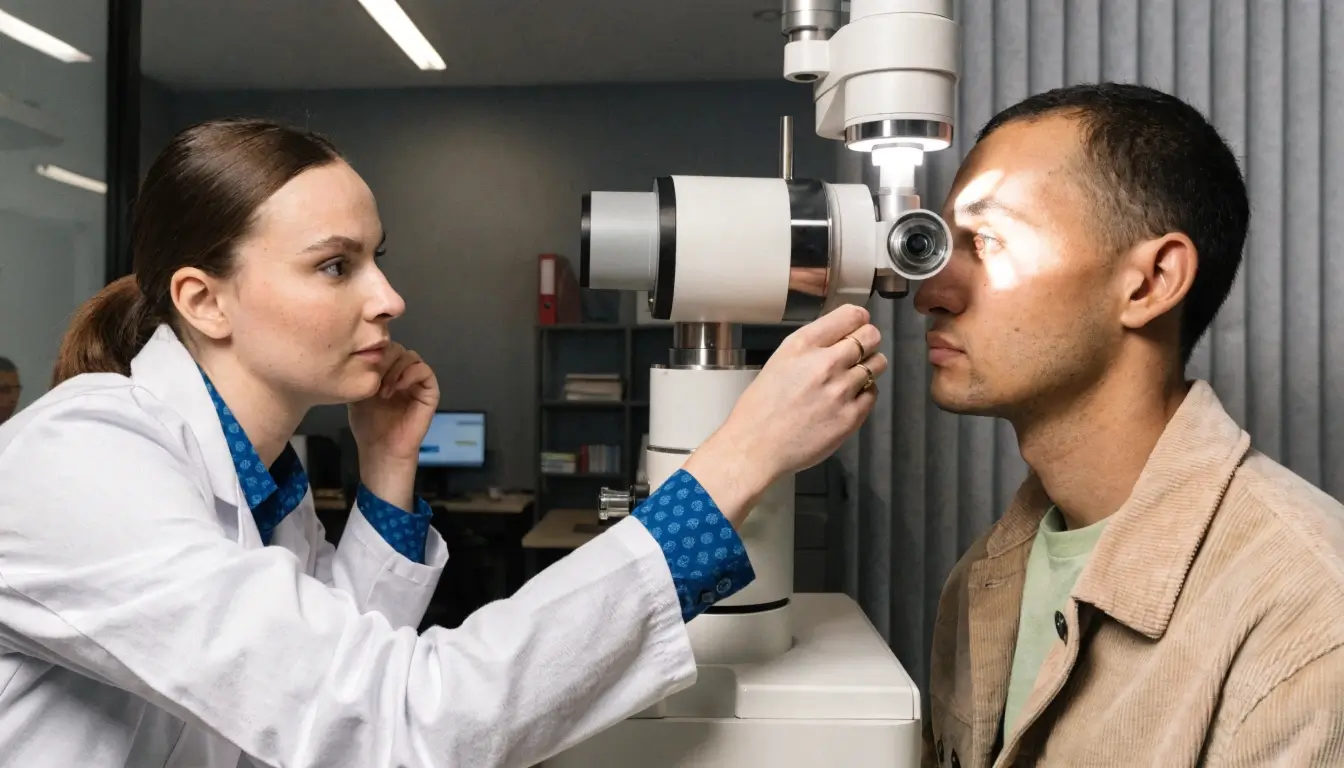
Ophthalmic medical assistants help eye care specialists perform diagnostic vision tests and measure corneal structures. They operate advanced diagnostic equipment and prepare patients for delicate optical procedures. For those seeking structured training in this field, utilizing the Comprehensive Medical Training Academy provides the fundamental knowledge needed to navigate complex ophthalmic machinery confidently.
Adding these specialized technical competencies to your resume can drastically elevate your positioning, allowing you to bypass the entry-level Medical Assistant Salary in USA averages. Eye clinics often reward technical precision and reliable patient measurements with excellent starting salaries. This path combines cutting-edge optical technology with direct patient care.
Ophthalmic clinics generally operate during standard business hours, which supports a highly sustainable work-life balance. Additionally, the clean, low-stress nature of vision clinics makes this an exceptionally popular option for long-term careers. Investing in this sub-specialty represents a highly strategic career decision.
Cardiology Clinical Assistants: Medical Assistant Salary in USA Rates
Cardiology assistants operate in fast-paced environments, assisting cardiologists with electrocardiograms (EKGs) and ambulatory monitor setups. They play a critical role in prepping patients for treadmill stress tests and tracking basic cardiac rhythms. Given the sensitive nature of heart health, these roles require a high degree of focus and swift emergency response readiness.
Medical networks prioritize clinical assistants who hold advanced cardiovascular training or related certifications. This advanced knowledge translates directly into higher entry pay and stronger union backing in metropolitan health centers. The career path offers deep clinical satisfaction for those driven by high-impact patient care.
Workloads in cardiology practices can be demanding, with rapid patient turnover and strict charting protocols. However, the experience gained here is unmatched, serving as a powerful stepping stone to advanced nursing or technician roles. It remains one of the highest-paying niches in the outpatient sector.
Geriatric Care Support: Medical Assistant Salary in USA Insights
Geriatric assistants work inside dedicated senior living communities, memory care facilities, and specialized home health agencies. Their responsibilities blend clinical monitoring, like blood glucose tracking, with essential daily living support. As the demographic shift accelerates across the country, demand for compassionate geriatric care continues to grow exponentially.
This sector regularly offers flexible scheduling, including night shifts and rotating weekend patterns. These non-traditional hours frequently feature higher shift differentials, allowing diligent workers to maximize their monthly earnings. It is an excellent fit for those who prioritize community-oriented, empathetic care.
Physical demands in this specialty are naturally higher, requiring safe patient transfer techniques and active mobility assistance. Consequently, mastering proper body mechanics is vital to preventing physical burnout. For dedicated individuals, this path provides both stable employment and profound community purpose.
Advanced Clinical Certification Prep
Unlock your potential and maximize your starting pay. Access industry-approved study guides designed to help you pass your clinical medical assistant credentialing exam on the very first try.
🧮 Return on Certification (ROC) Calculation Matrix
This formula demonstrates the real-world financial return of obtaining an accredited clinical certification (CMA/CCMA) versus remaining uncertified:
    Initial Certification Cost (Exam + Materials): $1,750

    Average Hourly Pay Premium (Certified vs. Uncertified): +$3.50 / hour

    Annual Working Hours (Full-Time): 2,080 hours (40 hours/week * 52 weeks)
Gross Annual Pay Increase: 2,080 hours * $3.50 = $7,280
Net First-Year Return on Investment: $7,280 – $1,750 = $5,530
*Note: Real-world results vary depending on geographic location, local employer packages, and specific clinical settings.
Pros and Cons and Main Tradeoffs
Every career pathway involves unique compromises, and medical assisting is no exception. Understanding these structural tradeoffs beforehand ensures you make an informed decision that aligns with your lifestyle. The primary advantage of this field is the rapid entry timeline, allowing you to begin working in healthcare in under a year.
However, the physical demands of outpatient clinics can be strenuous. Assistants routinely spend eight to ten hours on their feet, assisting with patient transfers and handling sterile equipment. For some, this active daily routine is highly rewarding, while others may find the physical stamina required difficult to sustain over several years.
Additionally, while starting pay is reliable, ceiling limitations do exist within the standard assistant scope. To secure significant long-term raises, professionals usually need to transition into specialized management or pursue further nursing education. Recognizing these limitations early helps you plan a realistic, multi-year career path.
Common Pitfalls & Mistakes to Avoid
A frequent error made by incoming assistants is letting their professional credentials lapse. Certifying bodies like the AAMA require continuing education units (CEUs) every few years to maintain active status. Forgetting to track these requirements can lead to sudden suspension, resulting in lost hours and immediate pay reductions.
Another common misstep is relying solely on local online job boards for opportunities. Many of the most lucrative positions are filled through direct clinical networks and personal referrals that never appear on public listings. Discussions on community forums like r/personalfinance highlight how candidates who build personal connections with local clinic managers consistently secure better entry-level offers.
Finally, avoid ignoring the cost-of-living differences when evaluating out-of-state offers. A high hourly rate in a major metropolitan area can quickly be offset by expensive rental markets and transit costs. Always analyze your net earnings after basic living expenses to ensure an offer is genuinely viable.

📍 How to Seek Medical Assistant Salary in USA in Your Area
For clinicians seeking a competitive Medical Assistant Salary in USA, targeting specific local channels is essential. Relying on a single job search strategy rarely yields optimal results. Implement these four structured routes to uncover high-paying clinical opportunities in your local market:
- Direct Outreach to Private Specialty Clinics: Skip the generic corporate portals by calling local dermatology, orthopedic, or cardiology offices directly to inquire about upcoming openings.
- Targeted Clinical Recruiting Agencies: Register with specialized healthcare staffing firms that maintain exclusive hiring contracts with major regional hospital networks.
- Local Healthcare Job Fairs: Attend physical recruitment events hosted by community colleges or regional health systems to connect directly with hiring managers.
- Professional Organization Chapters: Join local chapters of the American Association of Medical Assistants (AAMA) to access member-only job boards and networking events.
⚠️ Operational Safety & Risk Warning:
Never compromise on personal safety protocols during clinical tasks. Always adhere strictly to proper needle-stick prevention procedures and leverage correct ergonomic lifting techniques when moving patients. Skipping these basic self-care measures dramatically increases your risk of chronic musculoskeletal strain or exposure to bloodborne pathogens.
“I spent a year working in a general clinic before taking an ophthalmic technician prep course. The certification exam was tough, but specialization boosted my hourly pay by four dollars and gave me much more predictable hours.”
— r/Healthcare Forum Community Insight / Anonymous Public Feedback Summary
Frequently Asked Questions
What is the average starting wage?
Which clinical certifications are required?
How long does training take?
What is the main role difference?
Are background screenings mandatory?
Which major networks hire entry levels?
Are remote work options available?
What are the physical demands?
Sources & References Citations
- U.S. Bureau of Labor Statistics (BLS.gov) – Occupational Outlook Handbook for Medical Assistants
- National Healthcareer Association (NHA) – Clinical Certification Guidelines
- O*NET OnLine database – Detailed Task and Wage Profiles for Allied Health
Final Thoughts
Navigating the healthcare job market in 2026 requires a practical approach to credentialing and location-based opportunities. While starting pay is stable, those who specialize in technical fields like cardiology or dermatology consistently secure the best compensation. Balancing study time, certification costs, and daily physical demands is key to long-term career satisfaction.
Ultimately, securing a robust Medical Assistant Salary in USA depends heavily on specialized training and constant professional development. Transitioning from basic clinical duties to specialized tech roles provides a clear path to higher income and long-term security. This career can also serve as a valuable federal trade career roadmap for those exploring advanced nursing or medical administration paths.
To maximize your trajectory, utilize a comprehensive civil service exam preparation guide to target stable public health department positions. The public sector often offers excellent healthcare benefits and strong pension plans that complement your base salary. By combining formal credentials with strategic job placement, you can build a stable, financially rewarding career in healthcare.