Disclosure: The links provided in this evaluation represent intentional affiliate partnerships. We earn a commission when you register, sign up, or apply through these links at absolutely no additional cost to you. All product recommendations are made objectively based on public user track records.
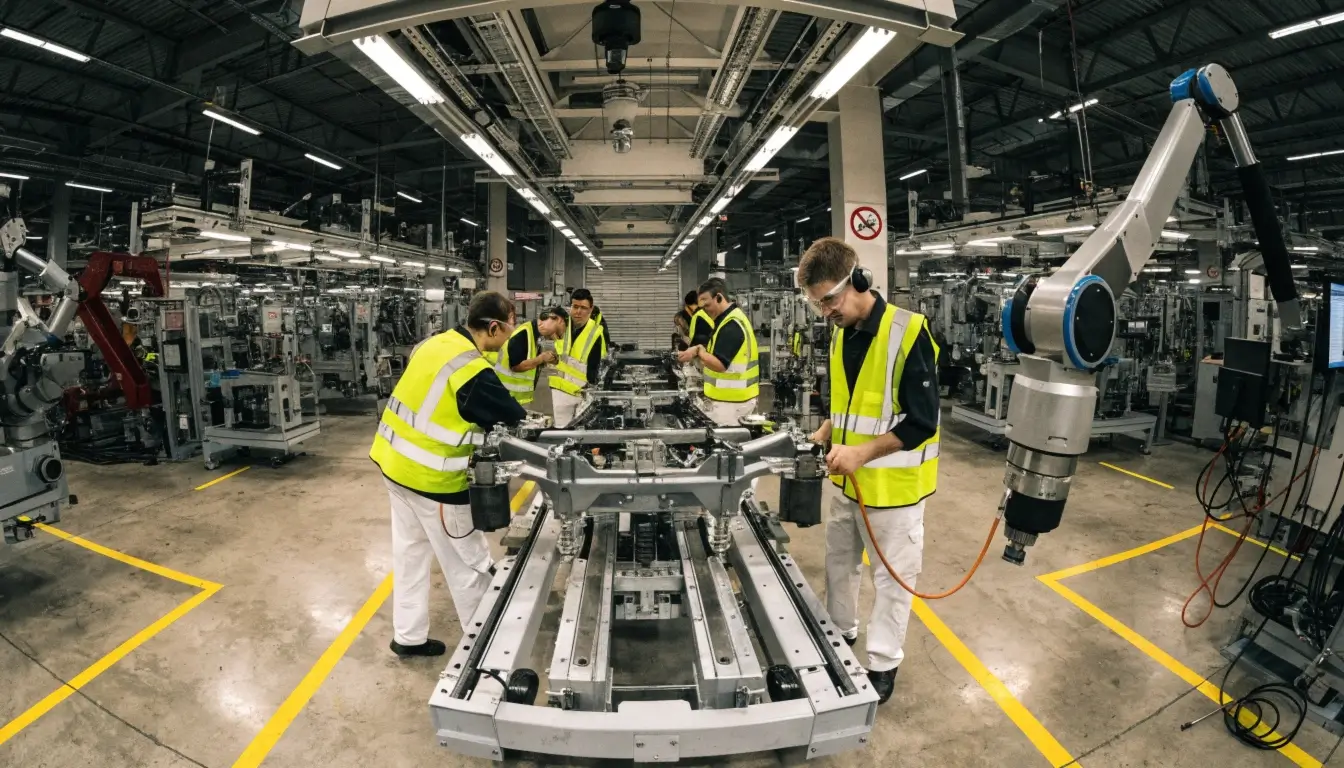
Modern manufacturing in 2026 is experiencing a substantial resurgence due to supply chain regionalization, resulting in an abundance of secure, well-paying physical positions. If you are looking for immediate stability amidst shifting economic landscapes, learning how to get a factory job with no experience can open up a reliable, high-yield career path. Many candidates assume that heavy machinery roles require years of trade schooling, but industrial employers heavily prioritize raw reliability over academic credentials.
In fact, modern manufacturing plants are shifting their focus to comprehensive on-the-job training modules to fill critical labor shortages. Consequently, learning how to get a factory job with no experience has become one of the most practical routes to securing a steady salary, healthcare coverage, and employer-matched retirement plans. This investigative guide breaks down the actionable strategies needed to enter the industrial sector quickly and safely.
To learn how to get a factory job with no experience, target entry-level positions like assembly line workers, packaging operators, or material handlers. Work with specialized industrial staffing agencies to secure placements, and highlight transferable skills such as physical stamina, attention to detail, and a strong adherence to safety protocols.
⚠️ Table of Contents
Quick Picks Snapshot (Updated 2026)
- Best Overall: Assembly Line Worker (Highest availability and fastest training turnaround)
- Lowest Cost / Top efficiency: Material Handler (Requires no upfront certifications, high physical activity)
- Best for beginners: Quality Control Assistant (Less physical stress, high attention to detail)
- Data Disclosure Notice: Material limits, credentials, pricing, and operating fees are based on publicly available directories and documentation files as of 2026.
Side-by-Side Comparison Matrix
Before diving into application processes, you should compare the foundational entry-level roles available in the modern manufacturing sector. The comparison matrix below outlines key operational realities for candidates analyzing how to get a factory job with no experience across common entry profiles.
| Role Profile | Average Starting Pay (2026) | Physical Demand Level | On-the-Job Training Time |
|---|---|---|---|
| Assembly Line Worker | $16.50 – $19.50/hr | Moderate (Standing, repetitive hand movements) | 3 to 7 Days |
| Material Handler | $17.00 – $21.00/hr | High (Heavy lifting, constant walking) | 1 to 2 Weeks |
| Quality Control Assistant | $18.00 – $22.00/hr | Low to Moderate (Visual checks, basic logging) | 2 to 3 Weeks |
| Packaging Operator | $16.00 – $18.50/hr | Moderate (Pacing, labeling, sorting) | 2 to 5 Days |
How to Choose the Right How to Get a Factory
To successfully navigate the selection process, you must first understand your personal physical tolerances and long-term professional goals. Different plant environments present varied challenges, such as temperature extremes in metal fabrication or strict hygienic rules in pharmaceutical facilities. Understanding these operational boundaries will help you find the right fit among regional vacancies.
Another major element of determining your ideal path is assessing the daily shift structures. Many facilities operate 24/7, offering twelve-hour rotating schedules or night shifts that pay a substantial hourly premium. Candidates who research how to get a factory job with no experience should decide early on whether they can consistently manage overnight shifts in exchange for these higher wages.
Additionally, you should look closely at how various facilities handle safety and operational guidelines. Excellent plants prioritize strict safety protocols and provide all required Personal Protective Equipment (PPE) to their workers. By aligning yourself with organizations that invest heavily in safe practices, you ensure a sustainable and injury-free working career from day one.
Finally, consider the career path of candidates debating between these two industrial sectors. For a detailed comparison, our comprehensive utility comparison roadmap provides an analytical breakdown of how factory floors differ systematically from warehouse environments in terms of safety, skill development, and overall wage progression.
Detailed Career & Option Reviews
Let us examine the specific positions available when analyzing how to get a factory job with no experience across modern industries. This breakdown highlights requirements, environments, and realistic starting points for beginners.
1. Assembly Line Crew: Factory Jobs with No Experience
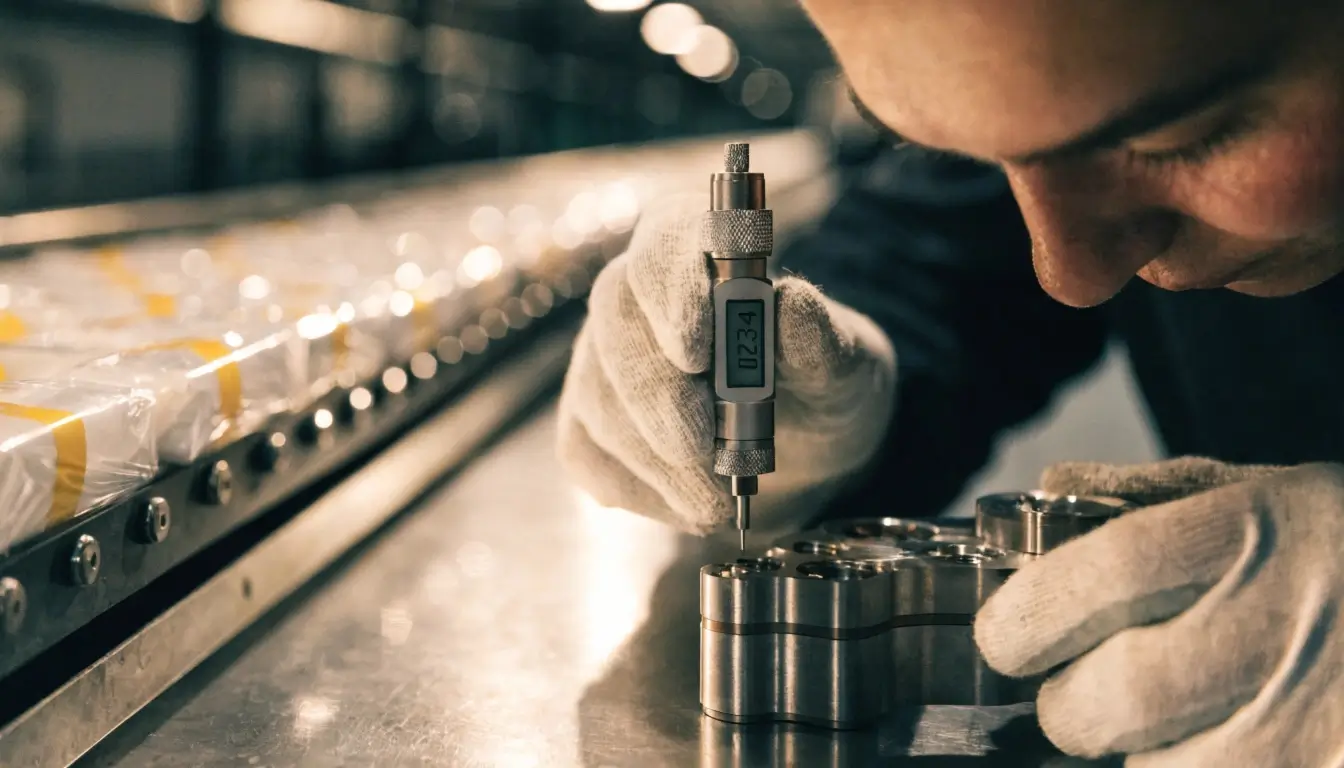
If you want to know how to get a factory job with no experience, starting as an assembly line worker is the most direct and common entry point. Assembly line crews work together to construct finished goods by passing parts sequentially from one station to another. This structured layout ensures you only have to master a small set of hands-on skills before executing tasks with high confidence.
This role serves as a classic blueprint for how to get a factory job with no experience because the initial training is completed entirely on-site. Shift leads will guide you through simple tool operations, product positioning, and visual standards. The main challenge here is the repetitive nature of the tasks, which requires mental focus and stamina over long, standing shifts.
To maximize your chances of securing an assembly role, applying with a polished Job Application Success System can help format your background to emphasize reliability. Employers typically seek candidates who show up on time and maintain consistent output throughout their shifts.
2. Material Handlers: Warehouse and Factory Jobs No Experience
Understanding how to get a factory job with no experience as a material handler requires focusing on your organizational skills and physical strength. Handlers are responsible for moving raw goods from unloading docks directly to the active production floor. This prevents production line worker jobs no experience from stalling due to empty parts bins.
For those studying how to get a factory job with no experience, handling raw goods is an excellent way to learn supply chain logistics on the ground. You will regularly interact with inventory databases and basic scan tools, which builds valuable technical experience. The physical demand is quite high, as lifting heavy components is a constant daily expectation.
Over time, material handlers often receive employer-funded forklift certifications, making this an incredibly lucrative long-term path. If you are seeking high-earning potential without a college degree, this expert tool integration guide details alternative paths and complementary vocational certifications.
3. Quality Control Assistants: Easy Factory Jobs for Beginners
You might wonder how to get a factory job with no experience in a quality control division when most inspector jobs look technical. However, many plants hire entry-level assistants to perform basic visual screening and packaging counts. This is an exceptional path for anyone learning how to get a factory job with no experience without the heavy physical lifting of material handling.
These roles require keen observation skills to detect small defects, misprinted labels, or physical damages on the line. Assistants document these errors on basic terminal sheets or tablets to help supervisors adjust machine calibration. The work environment is typically cleaner and less physically strenuous than other industrial floor roles.
To stand out for quality control positions, utilizing the resources inside the Industrial Careers Certification Portal can give you an edge by showing familiarization with quality standards. Demonstrating a meticulous eye for detail on your resume is key to landing these cleaner roles.
4. Packaging Operators: Factory Worker Jobs Hiring Immediately
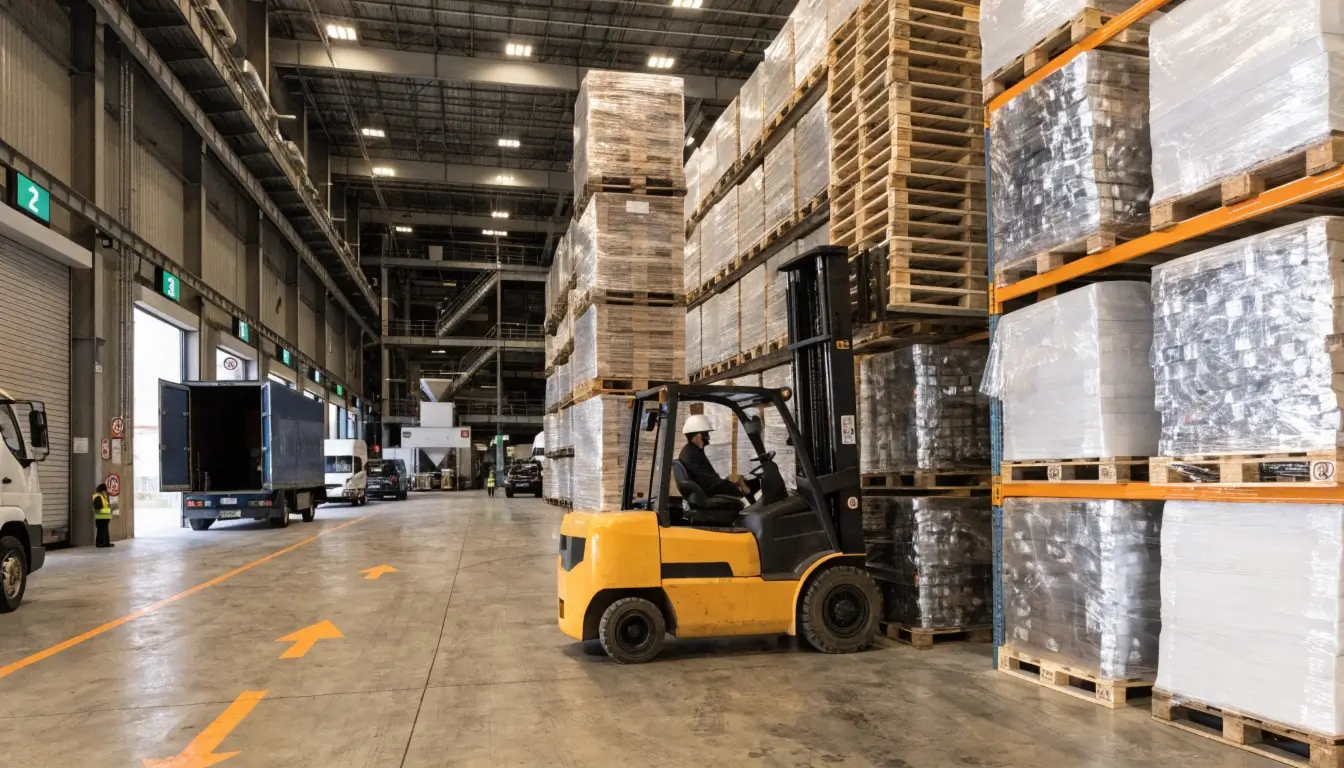
Many entry-level seekers look at packaging roles when researching how to get a factory job with no experience. Packaging operators operate wrapping machines, assemble shipping cartons, and apply product labeling before items leave the plant floor. These entry level factory jobs near me are constantly hiring because consumer goods production lines operate continuously.
If you are focusing on how to get a factory job with no experience, the fast pace of packaging is highly engaging. You will collaborate with different teams and ensure the final product meets commercial shipping standards. This role requires minimal tool experience, making it highly accessible for absolute beginners.
Because retail brands must constantly ship products, these operations regularly offer substantial overtime opportunities. Consequently, packaging remains a reliable stepping stone for workers who want to maximize their weekly earnings quickly through additional weekend shifts.
5. Machine Operator Helpers: No Experience Manufacturing Jobs
Securing a role as a machine helper is a highly strategic method of how to get a factory job with no experience. Helper roles place you alongside senior industrial technicians who run massive automated equipment. Your duties will include feeding raw metals or plastics into the machinery and clearing minor jams safely under direct supervision.
When peers ask how to get a factory job with no experience, pointing them to assistant machine setups is the best advice. You learn the mechanical workings of specialized tools without taking on the immediate liability of running them alone. This environment builds high-level technical aptitude that command excellent wages as you gain tenure.
To understand standard industrial pay scales and how helping roles transition to full operator wages, reviewing these high-performing optimization tools will help estimate your annual earning potential as you gain mechanical skills.
6. Warehouse Shipping Liaisons: Factory Jobs Hiring 2026
Bridging the gap between the plant floor and shipping docks is another way of how to get a factory job with no experience. Liaisons track completed production batches and coordinate with logistics teams to load outgoing transport vehicles. This position is ideal for people who prefer mixed administrative and active physical tasks.
This demonstrates how to get a factory job with no experience while building transferable inventory management skills that are useful across multiple logistics sectors. You will utilize shipping programs, manage digital bills of lading, and verify batch numbers. It serves as an excellent operational pivot for those who want to transition away from raw physical labor eventually.
Since logistics demands remain incredibly high, factories consistently offer competitive starting rates for these administrative-adjacent floor positions. This makes it an ideal landing spot for organized beginners looking for quick hiring turnarounds.
Industrial Careers Certification Portal
Get certified fast and easily stand out to factory employers hiring immediately in your area with expert-approved training pathways.
📍 How to Seek how to get a factory job with no experience in Your Area
If you are looking for actionable blueprints on how to get a factory job with no experience, you must target localized industrial parks. Submitting applications directly to the plant’s hiring office can bypass slow online filters. Many facilities post physical “We Are Hiring” banners at their security gates to capture local talent quickly.
Our analysis of local employment markets shows that knowing how to get a factory job with no experience is mostly about timing. Focus your outreach on peak industrial seasons, which usually occur during late summer and early spring. During these periods, factories ramp up production and will onboard beginners with minimal delay.
Additionally, search online platforms for localized keywords like “how to get factory job fast” to find local staffing agencies. These agencies have direct contracts with major industrial centers and can place you in an open role within 48 hours. This bypasses traditional multi-stage interview loops entirely.
Common Pitfalls & Mistakes to Avoid
When researching how to get a factory job with no experience, many candidates make critical errors on their initial applications. For example, some applicants try to hide their lack of factory experience by inflating their past retail or office titles. This often backfires because employers value honesty and a willingness to learn safety protocols above all else.
Another common mistake when learning how to get a factory job with no experience is neglecting to list hands-on hobbies or high school shop classes. Listing experience with basic hand tools, gardening, or automotive maintenance shows employers that you have physical coordination. These details can make a huge difference during hiring evaluations.
Finally, candidates often fail to research drug testing policies or basic background check standards before applying. Virtually all reputable industrial plants require a standard screening to maintain their insurance policies. Being prepared for these standard steps will ensure your onboarding process proceeds smoothly.
Pros and Cons and Main Tradeoffs
Weighing the balance of physical work is essential when deciding how to get a factory job with no experience. While the steady hours and strong overtime multipliers are outstanding, the physical environment can be quite intense. Workers must adapt to standing on concrete floors for entire shifts and managing noise levels with ear protection.
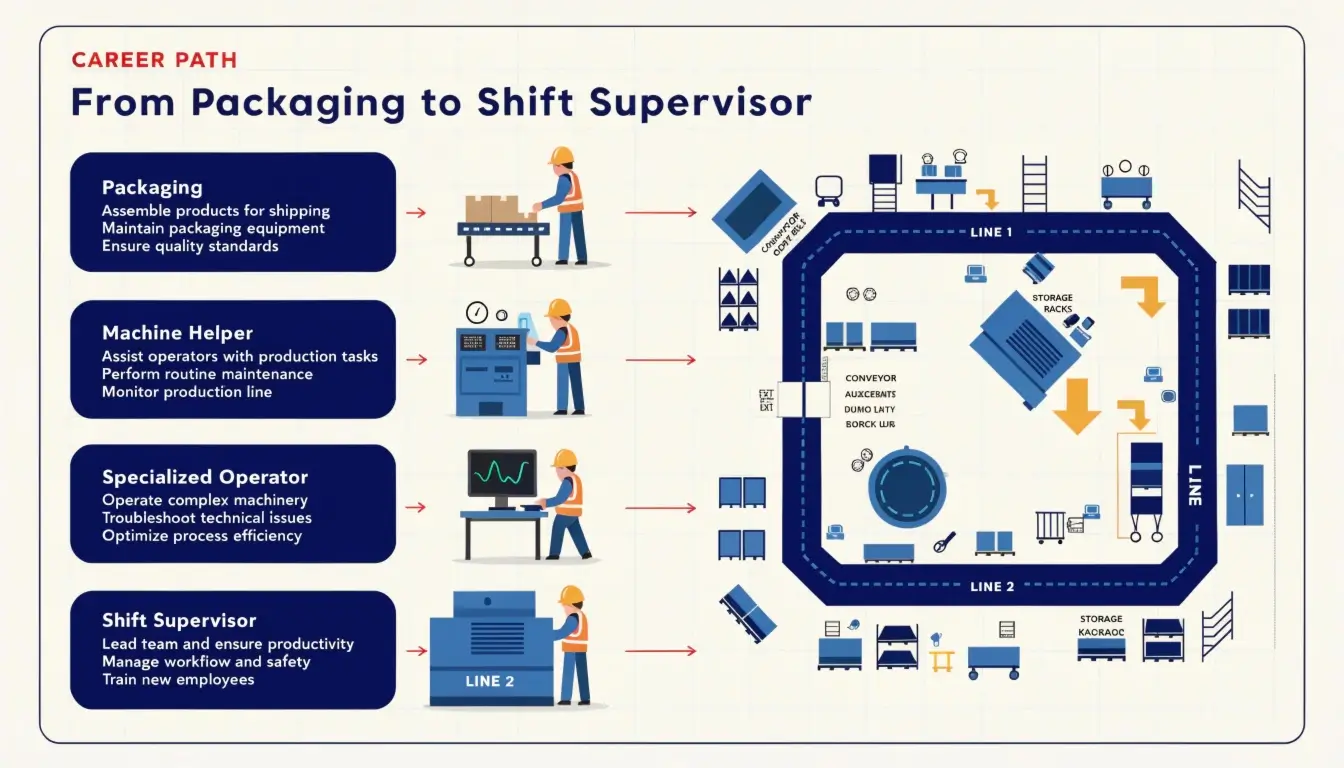
On the positive side, manufacturing is one of the few fields where entry-level workers can rapidly advance without expensive degrees. Demonstrating excellent attendance and a solid work ethic can elevate you to a shift lead or specialized operator in under a year. This makes the initial physical adjustment well worth the effort.
🧮 Sample Compensation & Overtime Simulation
This calculation provides an empirical breakdown of what someone learning how to get a factory job with no experience can expect to earn starting out:
- Base Hourly Rate: $18.00 / hour
- Standard Work Week: 40 hours
- Weekly Base Earnings: 40 hours × $18.00 = $720.00
- Overtime Rate (1.5x): $18.00 × 1.5 = $27.00 / hour
- Overtime Hours Logged: 8 hours
- Weekly Overtime Earnings: 8 hours × $27.00 = $216.00
- Total Weekly Gross Income: $720.00 + $216.00 = $936.00
Note: Actual net earnings will vary based on state-specific tax withholding rates, union dues, and healthcare plan contributions.
⚠️ Operational Safety & Risk Warning:
Never operate any plant machinery without receiving explicit safety training from a certified supervisor. Always wear steel-toe boots, safety glasses, and ear protection as required by OSHA guidelines to avoid preventable injuries on the active production floor.
“The single biggest factor is showing up every day. Most factories run on thin margins, and if you are dependable, they will train you on the highest-paying machines on the floor in no time.”
— r/manufacturing Forum Community Insight / Anonymous Public Feedback Summary
Frequently Asked Questions
To help you navigate how to get a factory job with no experience, we compiled the most common questions from applicants.
What is the starting pay for beginners?
Most applicants figuring out how to get a factory job with no experience can expect to start between $15 and $21 per hour in 2026, depending on the region.
Are any special licenses required to apply?
No special licenses are required for entry-level roles, though having a high school diploma or GED is highly preferred by most hiring managers.
How long does training usually take?
On-the-job training for beginners is fast, typically requiring between three days to two weeks to master basic assembly or packaging tasks.
What are the physical stamina requirements?
You must be able to stand for 8 to 12 hours at a time and lift objects weighing up to 50 pounds safely throughout your shift.
Do factories perform drug tests?
Yes, almost all industrial companies require pre-employment drug screening and background checks to maintain insurance compliance and on-site safety standards.
Can I work a hybrid schedule?
Factory production jobs require a 100% on-site physical presence, meaning remote or hybrid scheduling is not available for these floor roles.
How do I apply for factory jobs?
Apply directly on corporate career portals, register with local industrial staffing agencies, or visit local plants during advertised open-hiring events.
Are these jobs protected by unions?
Many automotive and heavy manufacturing plants are union-represented, offering structured pay scales, collective bargaining, and robust healthcare plans to their members.
Sources & References Citations
- U.S. Bureau of Labor Statistics (BLS) Occupational Outlook Handbook: bls.gov
- National Apprenticeship and Industrial Training Registry: apprenticeship.gov
- O*NET OnLine Manufacturing Sector Database: onetonline.org
Final Thoughts
Ultimately, figuring out how to get a factory job with no experience comes down to presenting yourself as a reliable, safety-conscious worker. The manufacturing sector remains one of the last remaining avenues where dedication and physical consistency directly unlock middle-class wages and comprehensive benefits. By focusing on your punctuality and eagerness to learn machine operations, you can quickly bypass the need for expensive credentials.
By following this guide on how to get a factory job with no experience, you are ready to take your first steps into a stable, upwardly mobile manufacturing career. Whether you start on a packaging line or as an assistant to a master machine operator, the industry offers a clear and structured ladder for advancement. Prepare your basic application materials, visit local industrial parks, and step confidently onto the production floor today.