Disclosure: The links provided in this evaluation represent intentional affiliate partnerships. We earn a commission when you register, sign up, or apply through these links at absolutely no additional cost to you. All product recommendations are made objectively based on public user track records.
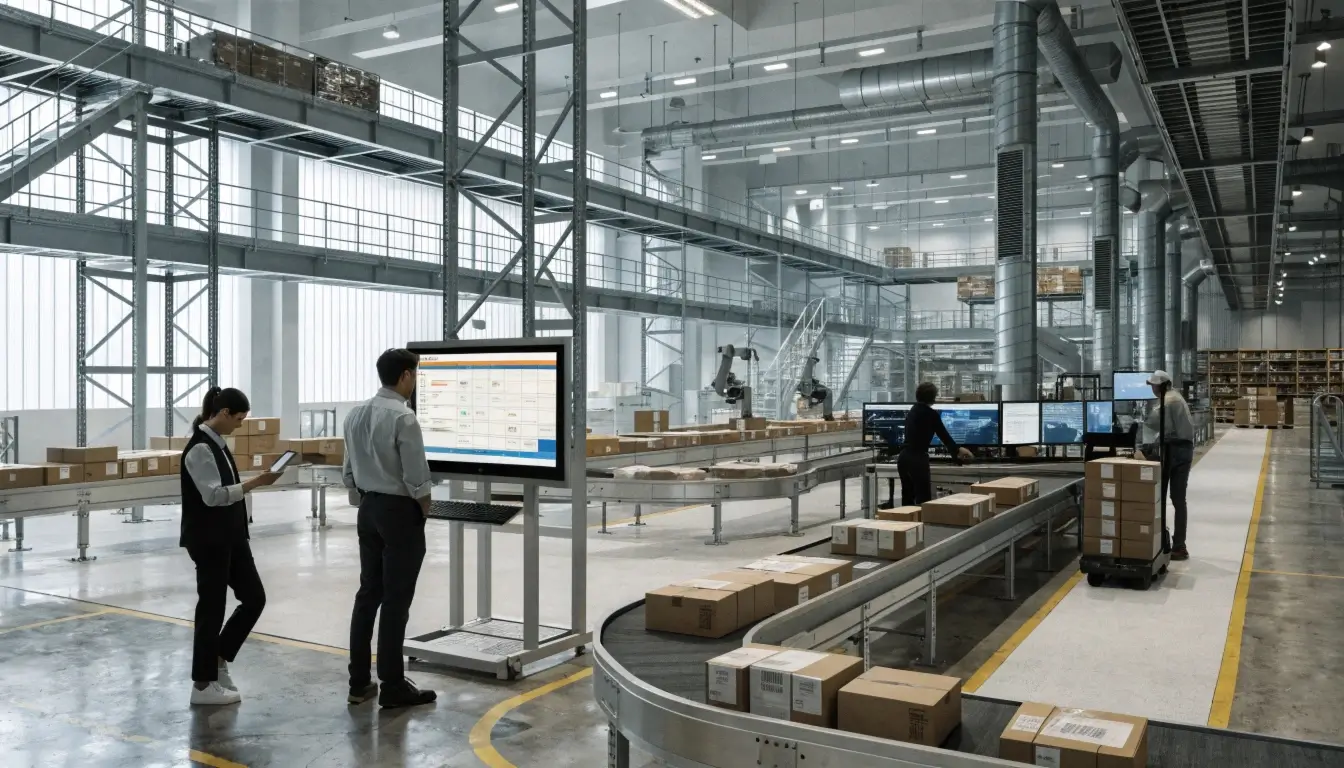
The landscape of logistics and supply chain operations is shifting rapidly in 2026. Rapid automated fulfillment demands specialized knowledge, creating unique, high-yield opportunities for motivated professionals. When looking for long-term stability, understanding the pathways for warehouse jobs career growth in modern distribution systems is essential. This guide dismantles the entry-level stigma and explores the highly lucrative steps to advance.
To maximize your warehouse jobs career growth, focus on earning specialized heavy equipment certifications (like reach truck or order picker), mastering warehouse management systems (WMS), and pursuing a structured warehouse career path from associate to operations lead. This trajectory typically transitions workers from hourly pay to salaried administrative or managerial roles within 24 to 36 months.
⚠️ Table of Contents
Traditional labor roles are evolving as heavy automation takes center stage. Consequently, those who adapt to technical systems enjoy much faster upward mobility. If you are entering the workforce without a degree, identifying realistic warehouse jobs career growth trajectories can change your financial future. It is not just about physical labor; it is about managing system flows. Use this structured outline to map out your own warehouse jobs career growth strategy.
Quick Picks Snapshot (Updated 2026)
- Best Overall: Inventory Control & Specialized Equipment Roles
- Lowest Cost / Top efficiency: WMS System Certification
- Best for beginners: Entry-level roles with rapid warehouse promotion opportunities
- Data Disclosure Notice: Material limits, credentials, pricing, and operating fees are based on publicly available directories and documentation files as of 2026. This is perfect for those seeking long-term warehouse jobs career growth.
Side-by-Side Comparison Matrix
To help you visual the options, we compiled a performance matrix based on active wage metrics from the Bureau of Labor Statistics (BLS). This compares specialized roles across the sector.
| Operational Specialty | Typical Pay Rate | Advancement Velocity | Primary Tool / Requirement |
|---|---|---|---|
| Forklift Operator | $19.50 – $24.00/hr | Moderate | OSHA Industrial Truck Certification |
| Inventory Control Lead | $21.00 – $26.00/hr | High | WMS Software & Audit Systems |
| Shift Supervisor | $52,000 – $68,000/yr | High | Logistics Planning & Leadership |
| Logistics Analyst | $48,000 – $62,000/yr | Very High | Data Analytics & Supply Chain Management |
| Operations Manager | $72,000 – $95,000/yr | Exceptional | P&L Management & Safety Auditing |
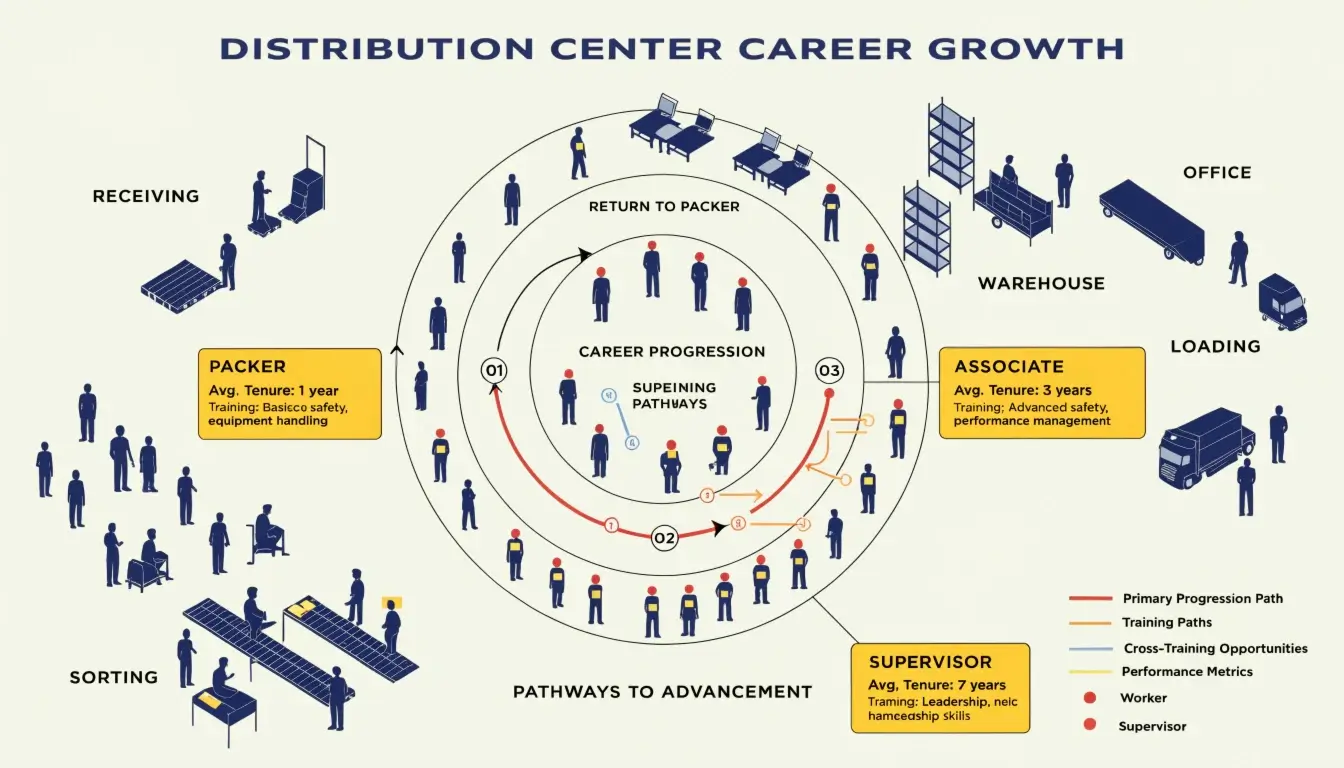
How to Choose the Right Warehouse Jobs Career Growth
Analyzing the core elements of warehouse jobs career growth requires looking past entry-level hourly rates. You must evaluate a company’s internal mentorship program and automated tool access. Selecting employers with active tuition reimbursement ensures your training is fully funded.
Many candidates ignore training support, which is the actual engine of warehouse jobs career growth. To clarify, some facilities keep workers on manual packing lines indefinitely. You should actively target distribution centers that rotate positions to build broad competency.
Another key factor is understanding the local industry scale. Specifically, regional hubs offer far more warehouse promotion opportunities than small, local sorting facilities. Evaluating regional density helps you choose locations with a high density of logistics career opportunities.
Your chosen warehouse jobs career growth timeline will depend largely on certification availability. Obtaining your OSHA industrial truck license instantly boosts your bargaining power. It is wise to review the comprehensive utility comparison roadmap to see how warehouse roles stack against manufacturing fields.
Furthermore, the shift structure you accept impacts your education timeline. Working night shifts might leave your days open to complete professional certifications. Balancing your immediate earnings with long-term skill acquisition is crucial for your warehouse associate career development.
Sustainable warehouse jobs career growth is rarely an accident of longevity. Instead, it relies on mastering software like SAP or Oracle WMS. These technical tools differentiate high-performing specialists from standard manual laborers.
Detailed Career & Option Reviews
Here we evaluate several operational pathways that facilitate rapid warehouse jobs career growth. We look at duties, opportunities, and paths for each specialty.
Specialized Equipment Operator
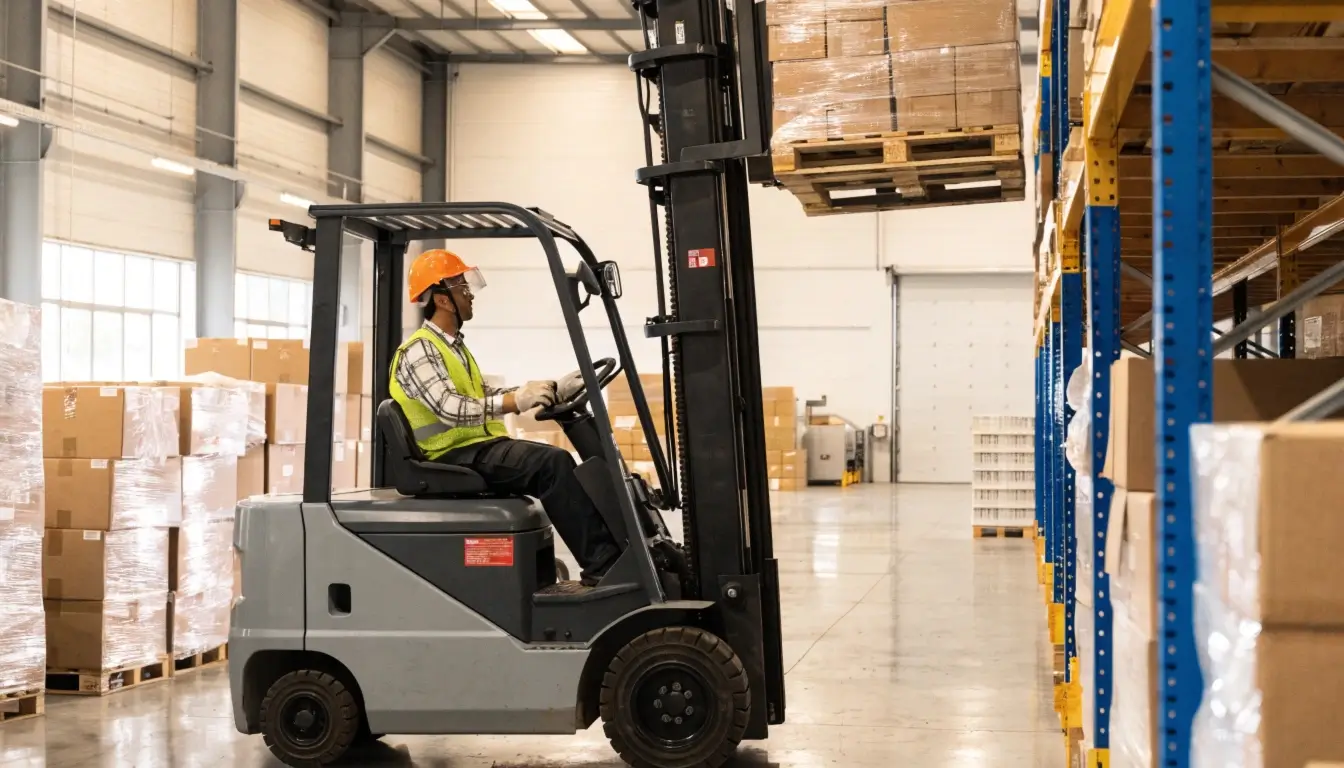
Stepping into a specialized forklift role is an excellent catalyst for warehouse jobs career growth. Standard walking positions transition to active machinery operations, which immediately commands a higher wage rate. This path provides a natural introduction to distribution center career growth.
Operating equipment requires acute spatial awareness and dedication to safety protocols. Historically, forklift specialists are in the highest demand across major freight hubs. To prepare, you can use specialized tools and access professional resume templates to showcase your OSHA credentials effectively to hiring managers.
On-the-job training is frequently provided, but having independent certification speeds up the hiring process. This step marks the transition from entry-level labor into skilled machinery work. It forms the foundation of a successful warehouse worker career progression.
Inventory Control Specialist
Managing stock levels using digital scanners and software databases is an excellent administrative alternative. This analytical position offers massive warehouse jobs career growth for detail-oriented workers. You will focus on resolving discrepancies, organizing stock layouts, and minimizing product loss.
This role requires comfort with numbers and basic computer programs. Consequently, it acts as a stepping stone toward a professional warehouse management career. You will interact with both floor staff and executive leaders, building vital networking channels.
To transition successfully into this role, candidates should refer to an expert tool integration guide for general onboarding strategies. Mastery here makes you indispensable to the daily efficiency of the facility.
Logistics Analyst & Coordinator
Coordinating shipments, tracking transit times, and communicating with carrier fleets requires advanced organization. Those seeking corporate-level warehouse jobs career growth often transition here to escape physical labor while boosting their pay. It highlights how technical skills outperform physical stamina in modern supply chains.
This position serves as a bridge between warehouse operations and global supply chain management. In fact, individuals in this field regularly negotiate rates and optimize transport routes. If you want to expand your technical knowledge, you can explore online supply chain courses to master the key transportation metrics.
This knowledge is highly valued by national employers like FedEx and Amazon. It represents a premier avenue for anyone pursuing professional supply chain career advancement.
Warehouse Shift Supervisor
Directing safety, workflow, and hourly performance indicators across a team is a key leadership role. Developing early leadership skills is a crucial phase of warehouse jobs career growth. You will manage scheduling, run safety briefings, and resolve floor conflicts.
This role marks the critical transition of a warehouse worker to supervisor. Naturally, you must possess strong communication skills and a deep understanding of facility safety rules. It is an excellent way to qualify for executive positions without having a college degree.
Supervisors must keep operations flowing during high-pressure holiday shipping rushes. For salary comparisons across regions, utilizing high-performing optimization tools helps you negotiate competitive compensation rates.
Distribution Center Operations Manager
Reaching the executive level is the pinnacle of warehouse jobs career growth. Operations managers oversee the entire facility, directing financial budgets, safety protocols, and large staffing shifts. This position requires years of dedicated leadership and clear operational success.
Managing multi-million dollar fulfillment budgets requires serious commitment and organizational skill. It is one of the most respected warehouse leadership positions in the logistics industry. The career pathway provides great long-term financial security and excellent retirement packages.
Candidates here focus on system automation and regional labor challenges. Achieving this rank represents the ultimate outcome of a structured warehouse career path.
Supply Chain Coordinator
Managing vendor relationships and procurement contracts requires a high degree of business acumen. This critical hub management role ensures consistent warehouse jobs career growth for ambitious professionals. You will collaborate directly with international suppliers and shipping lines.
Because supply chains are increasingly global, coordinators must solve customs and import delays on the fly. This role is highly professional and offers a comfortable office environment. It serves as an excellent option for those looking to pivot away from manual handling, especially if pursuing warehouse supervisor career growth.
Professionals in this role regularly review supplier performance data. This continuous analysis builds the expertise required for high-level corporate procurement careers.
Advance Your Logistics Career
Unlock your true earning potential by earning industry-recognized supply chain and resume optimization credentials. Start prepping your professional path today!
🧮 Practical Compensation Progression Projection (Annual Basis)
To visualize your prospective warehouse jobs career growth over time, consider the compounding benefit of overtime pay and employer pension contributions:
- Level 1 Picker Associate: $18.00/hr × 2,080 hours = $37,440/yr (No overtime or match)
- Level 2 Certified Operator: $24.00/hr × 2,080 hours = $49,920 base. Plus 5 hrs/wk overtime at 1.5x ($36.00/hr × 260 hours = $9,360). Total: $59,280/yr.
- Employer Pension/401k Match (5%): $59,280 × 0.05 = $2,964 additional value.
- Advancement Yield Increase: $62,244 vs $37,440 (An incremental boost of $24,804 annually)
Pros and Cons and Main Tradeoffs
Evaluating both sides of the coin helps you navigate warehouse jobs career growth effectively. On the positive side, the logistics sector is remarkably resilient against economic recessions. Businesses always need distribution services, ensuring stable employment even during tough times.
While physical demand is high, the upside of warehouse jobs career growth remains strong. You will build physical stamina and gain practical experience with modern software tools. Many companies offer flexible shift options, allowing you to study while earning.
Conversely, long hours on concrete floors can lead to physical fatigue if you do not prioritize physical self-care. It is essential to use supportive footwear and follow proper ergonomic lifting techniques. Additionally, initial hourly pay may start lower before you secure advanced certifications.
Ultimately, the balance tilts heavily in favor of those who actively seek warehouse jobs with promotion opportunities. By viewing entry-level work as a stepping stone rather than a destination, you can avoid stagnation. It is a sector where grit and continuous learning pay off directly.

Common Pitfalls & Mistakes to Avoid
A major barrier to warehouse jobs career growth is ignoring specialized tech. Many associates focus solely on manual tasks and miss the chance to learn inventory systems. This failure to adapt can trap you in repetitive, low-wage positions.
Another mistake is overlooking the long-term benefits of safety certifications. Workers who ignore OSHA protocols risk injury and limit their advancement potential. Demonstrating a strong commitment to safety is the easiest way to stand out to management.
Falling into passive routines will stall your warehouse jobs career growth. To clarify, you must actively express your career ambitions to your shift supervisors. If you do not ask for warehouse promotion opportunities, managers may assume you are content with your current role.
According to discussions on Reddit’s r/careerguidance board, workers frequently warn against staying at facilities that do not invest in their staff. If a company lacks a clear path for advancement, it is often best to take your skills to a competitor that offers better long-term potential.
📍 How to Seek warehouse jobs career growth in Your Area
Finding local employers that actively support warehouse jobs career growth requires research. You should look beyond general job boards and target major regional distribution hubs. These larger facilities often have structured training budgets and clearer promotion paths.
Targeted online research helps identify high-growth employers in your immediate area. You can also attend regional career fairs focused specifically on transportation and supply chain management. Directly reviewing corporate career pages often reveals hidden benefits like paid CDL training or technical certification programs.
Direct application to Tier 1 facilities guarantees better warehouse jobs career growth. These organizations have the financial resources to fund your professional certifications. Working for smaller, third-party logistics firms can sometimes limit your career progression.
Utilizing professional recruitment agencies specializing in industrial placements is another smart route. These recruiters have direct connections with hiring managers seeking certified operators. This approach helps you bypass standard online application filters and secure interviews faster.
⚠️ Operational Safety & Risk Warning:
Never bypass ergonomics, mandatory back supports, or proper lift procedures. Mechanical machinery accidents and physical wear can cause permanent back and joint damage. Prioritize active physical stretching, wear steel-toed footwear, and demand proper gear on every shift.
“Graduates on forums suggest that targeting automated fulfillment centers maximizes warehouse jobs career growth, as learning to operate robotics systems makes you highly valuable across the entire sector.”
— r/careerguidance Forum Community Insight / Anonymous Public Feedback Summary
Frequently Asked Questions
Below are direct, factual answers regarding your warehouse jobs career growth inquiries. These answers address the key operational factors of advancement.
What is the typical starting pay?
Entry-level roles usually start between $16 and $20 per hour. However, specialized equipment operators can earn up to $25 per hour, which is key to accelerating warehouse jobs career growth.
Do I need a college degree?
No, a high school diploma is sufficient for most entry-level positions. Upward mobility is based entirely on on-the-job performance and safety certifications.
Are specialized licenses required?
Yes, operating heavy equipment like forklifts or reach trucks requires an OSHA-compliant operator certification. Earning these credentials independently is essential for rapid warehouse jobs career growth.
How physically demanding is the work?
The roles require standing for long shifts, walking several miles daily, and lifting packages up to 50 pounds. Proper footwear and lifting ergonomics are essential.
Is on-the-job training available?
Almost all major distribution centers provide comprehensive on-the-job training. This structured training helps beginners kickstart their warehouse jobs career growth from day one.
Are drug tests and background checks standard?
Yes, most employers require a pre-employment drug screening and standard background check. Maintaining a clean record is critical when operating heavy machinery.
Are remote or hybrid roles available?
While floor positions require physical presence, advanced administrative roles like logistics coordination support hybrid schedules. These transitions offer flexible pathways for warehouse jobs career growth.
How do union options affect progression?
Unionized facilities provide structured wage increases, pension plans, and job security. Working in a union shop offers a highly stable foundation.
Which local hiring channels are best?
Direct company websites, specialized industrial recruiters, and regional job fairs are best. Applying directly to Tier 1 carriers helps you secure long-term warehouse jobs career growth.
Sources & References Citations
- U.S. Bureau of Labor Statistics (BLS.gov)
- National Institute for Occupational Safety and Health (NIOSH)
- O*Net Online Database
Final Thoughts
Building a successful path in the modern logistics sector requires a proactive mindset. Investing in technical skills and safety certifications guarantees that your warehouse jobs career growth remains steady and highly lucrative over time.
While physical labor can be demanding, pursuing warehouse jobs career growth offers a sustainable path to excellent pay and benefits. Companies across the country are actively searching for individuals who demonstrate leadership potential and technical curiosity on the warehouse floor.
Take the initiative today to build your warehouse jobs career growth foundation by pursuing WMS training and specialized equipment credentials. With the right strategy, your warehouse journey can evolve from a basic hourly job into a highly rewarding lifelong career.